Hybrid Work or Not, Commute Still a Concern for Workers
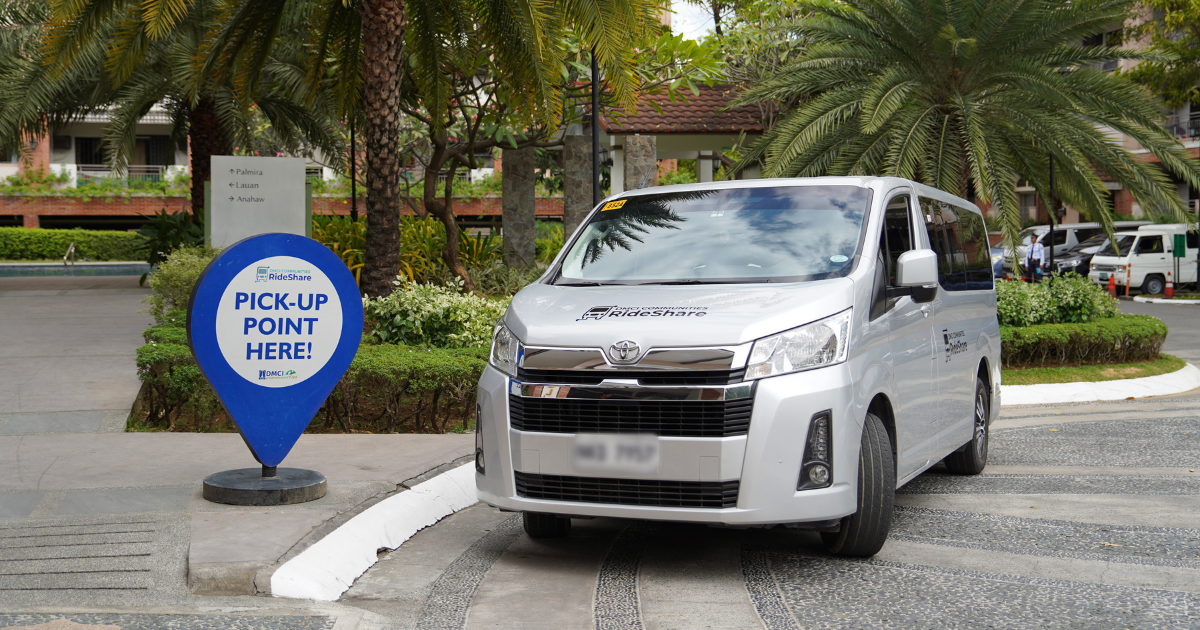
Amid daily commute challenges in Metro Manila, RideShare offers DMCI Homes condo residents a more convenient and predictable way to travel.
Whether in hybrid or fully onsite work setups, the daily commute remains a major concern for workers, making the ease and predictability of travel an important consideration in going to the office.
This is one of the main findings of a report by property consultancy Colliers Philippines, which shows that companies in the Philippines now prioritize accessibility above all else when choosing office locations, particularly proximity to public transportation. According to the report, ease of access outweighs even cost and distance in determining where firms locate their offices.
The study also highlights what it calls a “hybrid paradox.” While 67% of companies allow hybrid work arrangements, 82% still require employees to report onsite on certain days. The data indicates that even as flexibility becomes more common, commuting remains an essential part of working life.
Despite fewer required office days for some, employees still need to travel on designated onsite days, making the ease and reliability of the commute an important consideration when going to the office. In other words, flexibility may be the policy, but commuting remains a key factor in onsite attendance.
Metro Manila’s Traffic Problem
For many workers, especially in Metro Manila, going to the office is less about preference and more about the journey itself. According to Colliers, the National Capital Region, home to over 13 million people, sees its population rise to as much as 16 million during the day as workers and students arrive from nearby provinces. This creates a daily reality marked by heavy traffic, long lines, and unpredictable travel times.
Colliers Philippines also notes that Metro Manila’s traffic problem has long been a source of frustration. In 2023, it was ranked the worst among 387 metro areas worldwide in the TomTom Traffic Index. For employees, this means that even short distances can take hours, with travel time and costs varying depending on the weather, time of day, and road conditions.
Within this context, hybrid work takes on a different meaning. It is not only about flexibility or convenience. For many employees, it is also a way to avoid the stress, expense, and uncertainty of commuting.
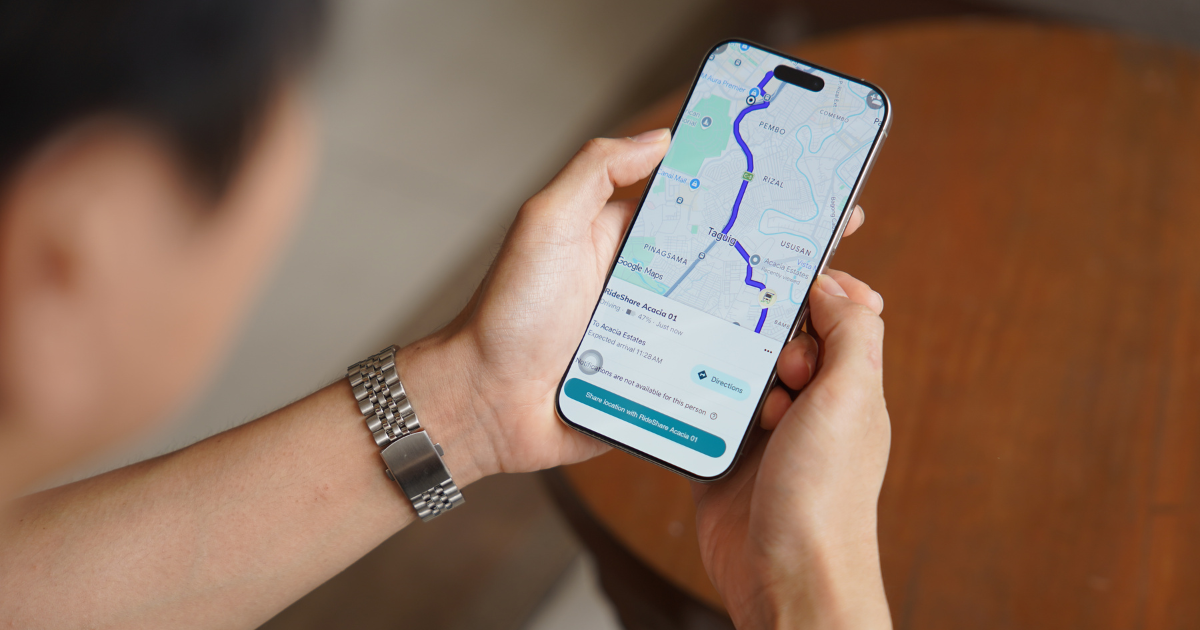
Residents can easily book scheduled rides to and from key business districts through the DMCI Communities mobile app.
Commuting Alternatives Emerge
Developer initiatives, meanwhile, are helping address these challenges.
Among them is RideShare, a shuttle-based, multi-point booking service introduced by DMCI Homes for residents of its condominium communities.
Accessible through the DMCI Communities mobile app, the system offers scheduled trips between residential developments and key business districts.
Launched in November 2022 in Acacia Estates, Taguig City, RideShare has expanded to several developments, including Brixton Place, Fairlane Residences, Sheridan Towers, Lumiere Residences, Prisma Residences, Allegra Garden Place, Kai Garden Residences, Dansalan Gardens Condominiums, Satori Residences, Mirea Residences, and soon in The Oriana. The service connects residents to key destinations like BGC, Makati, and Quezon City.
As of March 2026, the Stevie's award-winning carpool service has recorded more than 191,000 bookings.
A Smoother Commute
For users, the appeal lies in consistency.
Rhea Castro, a workforce analyst working in Bonifacio Global City, says commuting challenges influenced her decision to relocate. Now living in Brixton Place in Pasig City, she uses RideShare to get to work.
“One of the reasons why I moved to Brixton is because previously it was hard to go to work, and when I discovered that DMCI was offering RideShare, it became one of the things I considered,” she says.
Chris Chan, a resident of Kai Garden Residences who works in Makati, shares a similar experience. Without a car, he previously relied on the MRT, often dealing with crowded trains and long walks. Today, he uses RideShare two to three times a week from his condominium community in Mandaluyong City.
“It’s more convenient than taking the MRT,” he says, noting that it reduces travel time and simplifies his commute. He also points out that fixed pricing helps him avoid the higher fares often charged by ride-hailing services during peak hours or bad weather.
Reliability becomes even more important during difficult conditions. “Even if it’s rush hour, I’m assured that I have a ride,” Mr. Chan says, adding that the service offers both comfort and cost savings.

One of the perks of RideShare is getting to travel with fellow residents, making every ride feel more familiar and comfortable.
Predictability and Convenience
For Arnold Romero, a resident of Prisma Residences in Pasig City, predictability stands out as the main benefit.
“One is predictability. It means that my travel can be scheduled ahead, and there's no room for delays because RideShare is on the dot. Two is convenience, because you don't have to wait for hours. It doesn't make me wait or line up: It's always there when you need it. And number three is the ecological footprint that we leave. We minimize our contribution to air pollution and congestion when we don’t take cars around,” he says.
KC Valeza, a resident of Mulberry Place in Acacia Estates, Taguig City, on the other hand, uses the service for both work and daily errands. She commutes to Bonifacio Global City once a week and says the trip is significantly smoother.
“Traveling from here to BGC is quite hard, especially if there’s traffic,” she says. “But with this, you don’t have to stop anywhere anymore.”
Her experience reflects a broader pattern. For many urban workers, going to the office involves considering how difficult or convenient the commute will be.
As companies refine their work arrangements, the Colliers Philippines report highlights that accessibility and mobility remain just as important as flexibility.
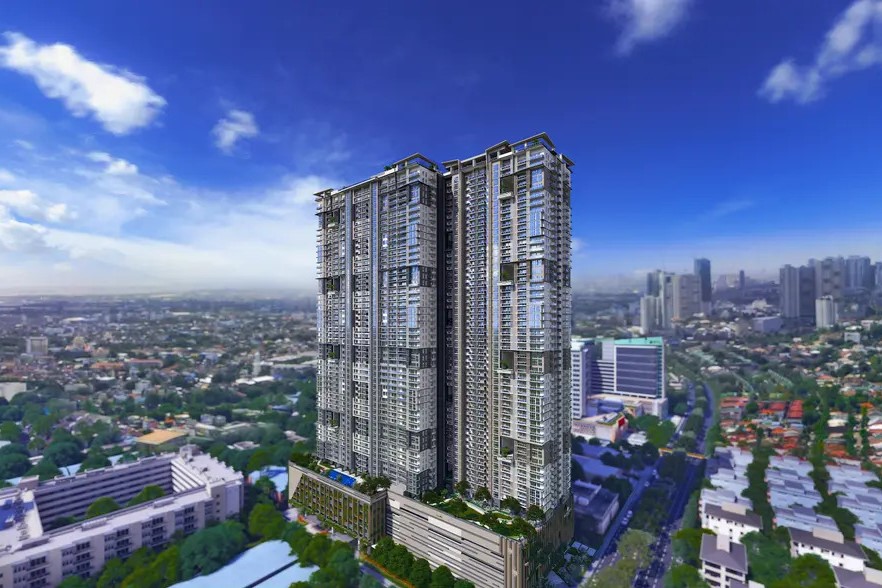
In Metro Manila, that often comes down to a simple question: how predictable is the commute. For many, this means choosing homes that are better connected to key routes and transport options. Developments like DMCI Homes condominiums, which are strategically located near major roads and transit hubs, can help make daily travel a bit more manageable.
At the same time, initiatives like DMCI Homes’ RideShare add another layer of convenience, giving residents more flexibility in how they get to the office and back. Together, these initiatives by developers can make in-office days feel less like a burden and more like a seamless part of everyday life.
DMCI Homes is the country’s first Quadruple A real estate developer, with projects in Mega Manila, Baguio City, Tuba in Benguet, San Juan in Batangas, Boracay, Cebu City, and Davao City. Each of its properties is built with world-standard craftsmanship borne from D.M. Consunji Inc.’s over 70 years of expertise in the construction and development industry.
To learn more about DMCI Homes’ pre-selling and ready for occupancy projects, units for lease, and special promos, call (632) 5324-8888. You can also visit leasing.dmcihomes.com to know more about opportunities in leasing and rent-to-own programs of DMCI Homes. News and other updates are also posted on the company’s official website and social media accounts on Facebook, X, Instagram, and YouTube.
How do you feel about it?