Preventive Heart Care: Why Everyday Green Spaces Matter
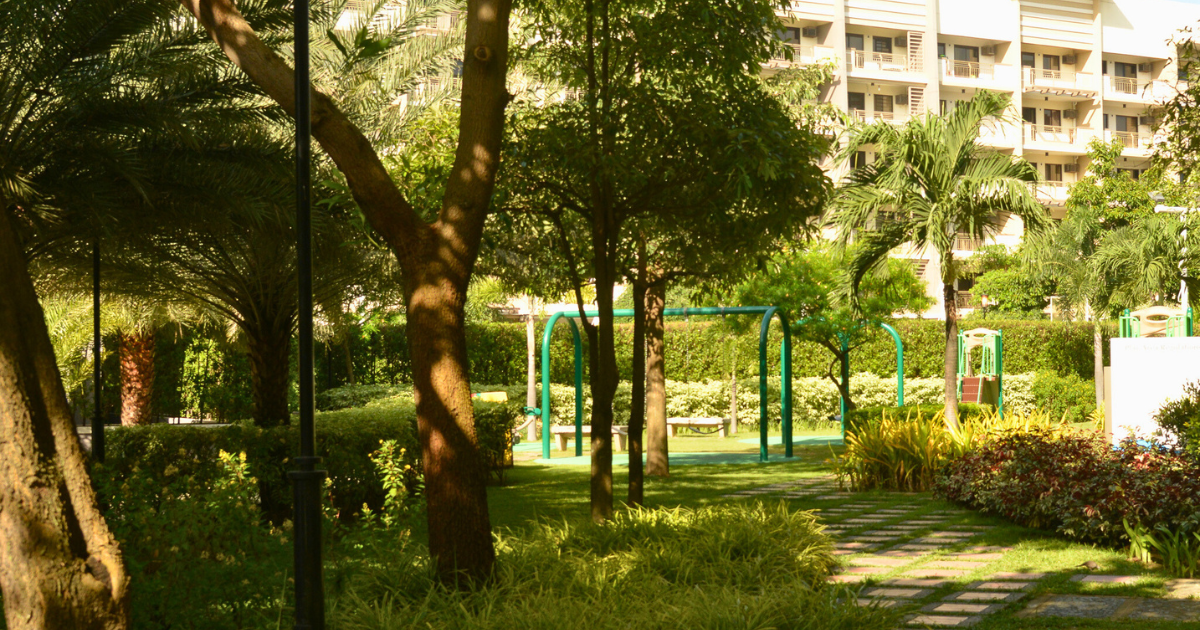
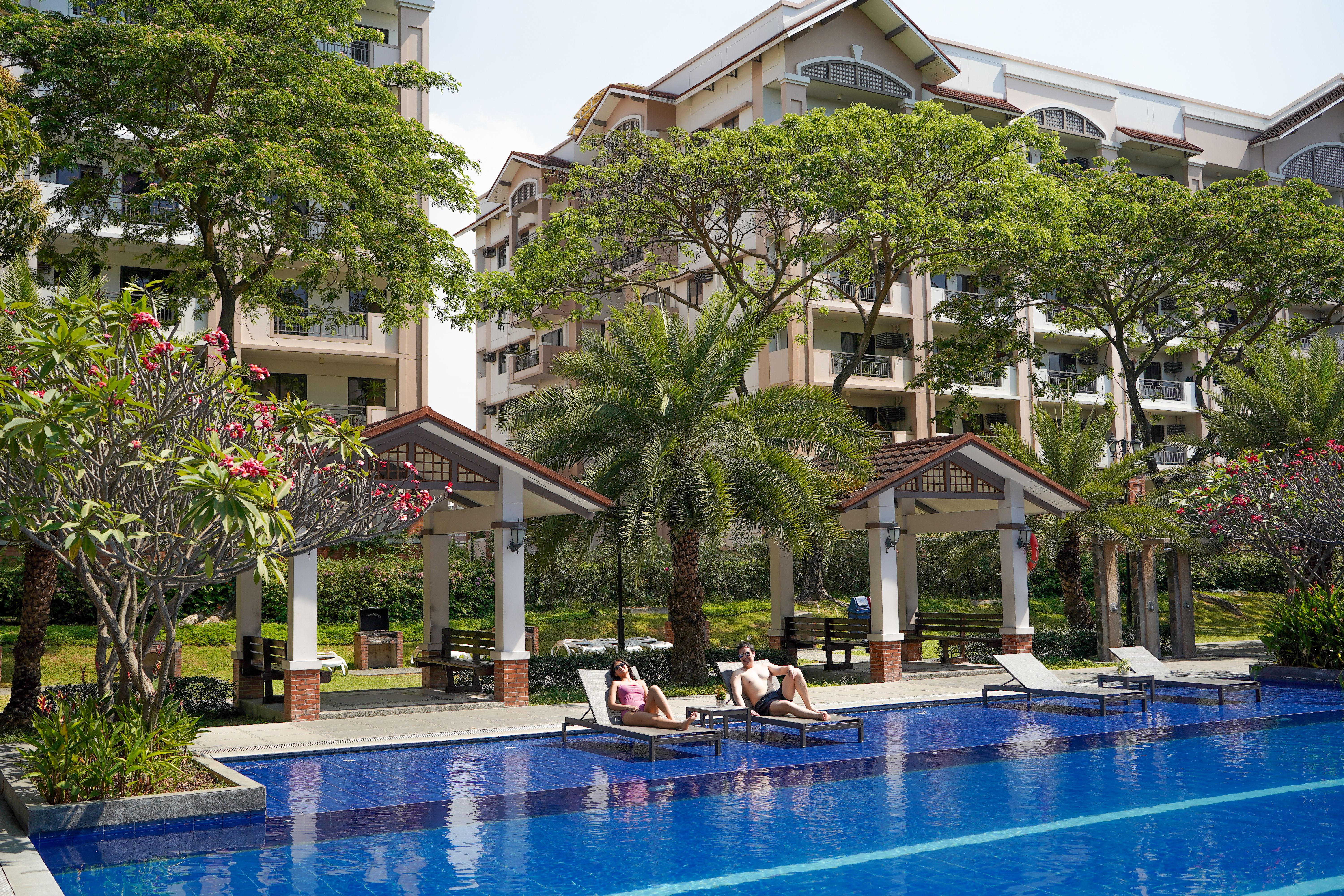
Lush trees and plants at Asteria Residences, Parañaque City.
In today’s fast-paced world, people often find themselves juggling work, family, and daily responsibilities, leaving little time to focus on their health.
For many Filipinos, this challenge is made even greater by limited access to specialized medical care.
Heart disease, in particular, continues to be a growing concern, making preventive measures more important than ever—especially in areas outside Metro Manila, where cardiologists are not widely available.
A recent report from the Philippine Heart Association (PHA) revealed that there is only one cardiologist for every 44,000 Filipinos, with about half of specialists concentrated in Metro Manila.
According to PHA president Dr. Walid Amil, this imbalance limits timely diagnosis and treatment for patients in many provinces, reinforcing the need for stronger public awareness on heart health and lifestyle prevention.
Department of Health data further underscores the urgency. Heart disease remains a leading cause of illness nationwide, affecting roughly one in three Filipinos. While improving access to specialists is critical, health experts continue to emphasize that prevention remains the most effective defense against cardiovascular disease.

Studies say green spaces make it easier to stay active and healthy.
Lifestyle habits such as proper diet, regular exercise, and avoiding harmful behaviors are well-established pillars of heart health. Increasingly, however, research suggests that the environments where people live can also influence cardiovascular outcomes.
A 2016 report from the World Health Organization Regional Office for Europe highlighted the role of urban green spaces in promoting physical activity, reducing stress, and supporting overall cardiovascular well-being.
Evidence cited in the report shows that individuals who frequently use parks and landscaped areas tend to have lower risks of circulatory disease.
Walking in green environments has also been associated with reduced heart rate and blood pressure compared with walking in busy urban streets, suggesting potential benefits for both prevention and rehabilitation.
Other international studies have found that neighborhoods with more varied greenery may encourage physical activity through visually appealing surroundings and walkable destinations, factors that can help lower the likelihood of hospitalization related to heart disease and stroke.
These findings align with broader public health messaging that preventive heart care extends beyond medical facilities and into everyday living environments. Spaces that encourage walking, outdoor recreation, and relaxation can support healthier routines while helping residents manage stress, a known contributor to cardiovascular risk.
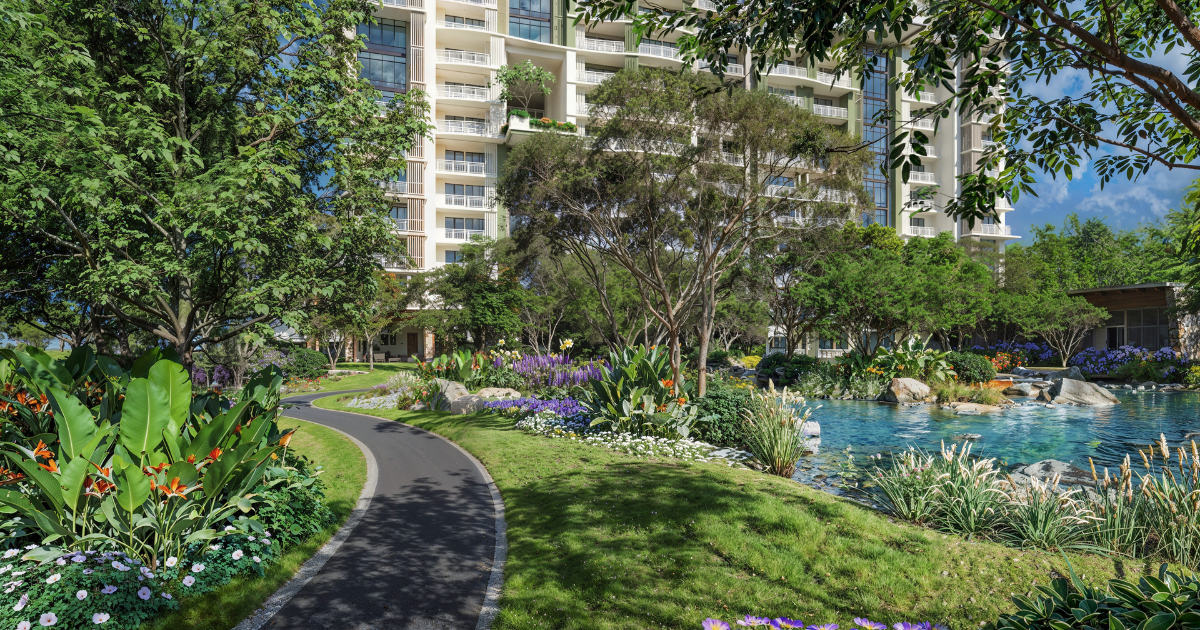
Lifestyle habits such as proper diet, regular exercise, and avoiding harmful behaviors are well-established pillars of heart health. Increasingly, however, research suggests that the environments where people live can also influence cardiovascular outcome
This perspective has influenced residential planning in recent years. Developments that integrate landscaped areas, open spaces, and pedestrian-friendly environments are increasingly viewed as supportive of long-term wellness.
Quadruple A developer DMCI Homes, community design has long incorporated this approach. Across its portfolio, the company has dedicated about 47 hectares to landscaped areas, nearly twice the size of the Quezon Memorial Circle national park in Quezon City. These green spaces are intended to provide residents with accessible environments for walking, recreation, and relaxation within urban settings.
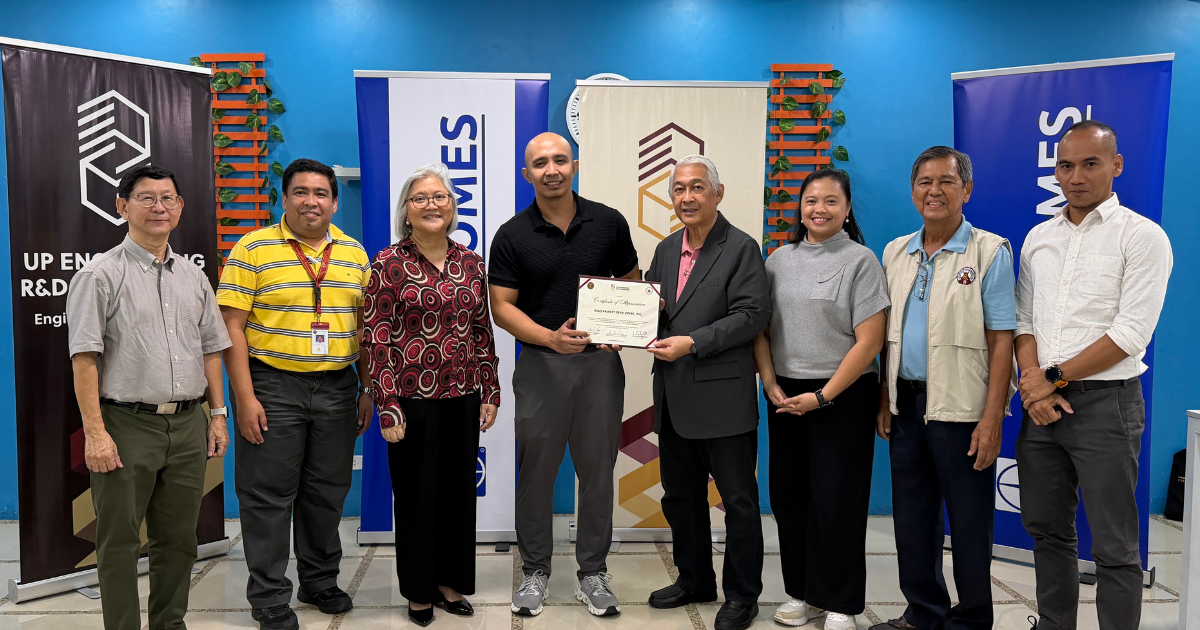
Recognition of such landscape-forward planning has followed. The Atherton was acknowledged during National Bike Day 2025 for its outdoor environment that supports active mobility. Meanwhile, Moncello Crest received a GantimPALA 2025 Merit Award from the Philippine Association of Landscape Architects for environmental sensitivity and design impact.
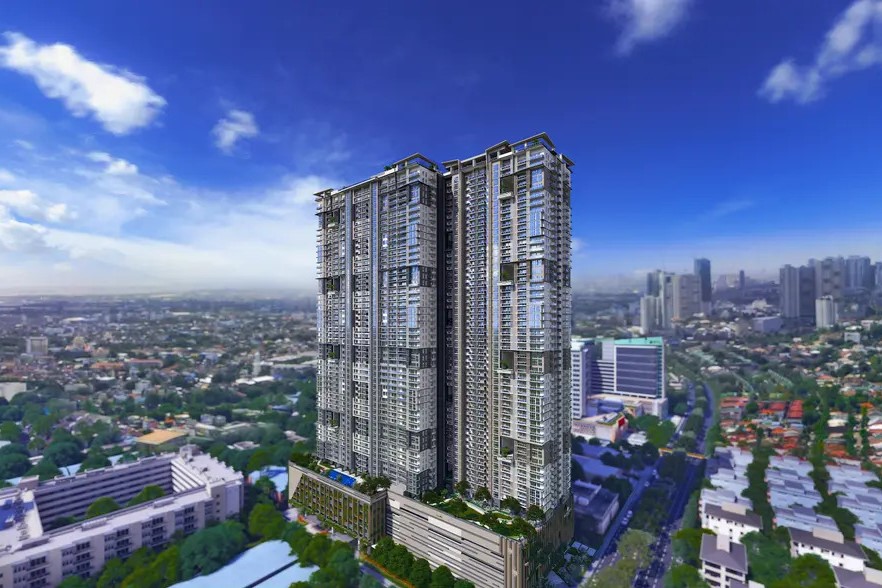
Upcoming projects continue to reflect this direction. One Delta Terraces, The Valeron Tower, and The Calinea Tower will feature vertical gardens and green pockets that aim to support walkable high-rise living. In Cebu, Kalea Heights dedicates 3.6 hectares to landscaped areas, offering residents access to outdoor spaces in a growing urban environment.
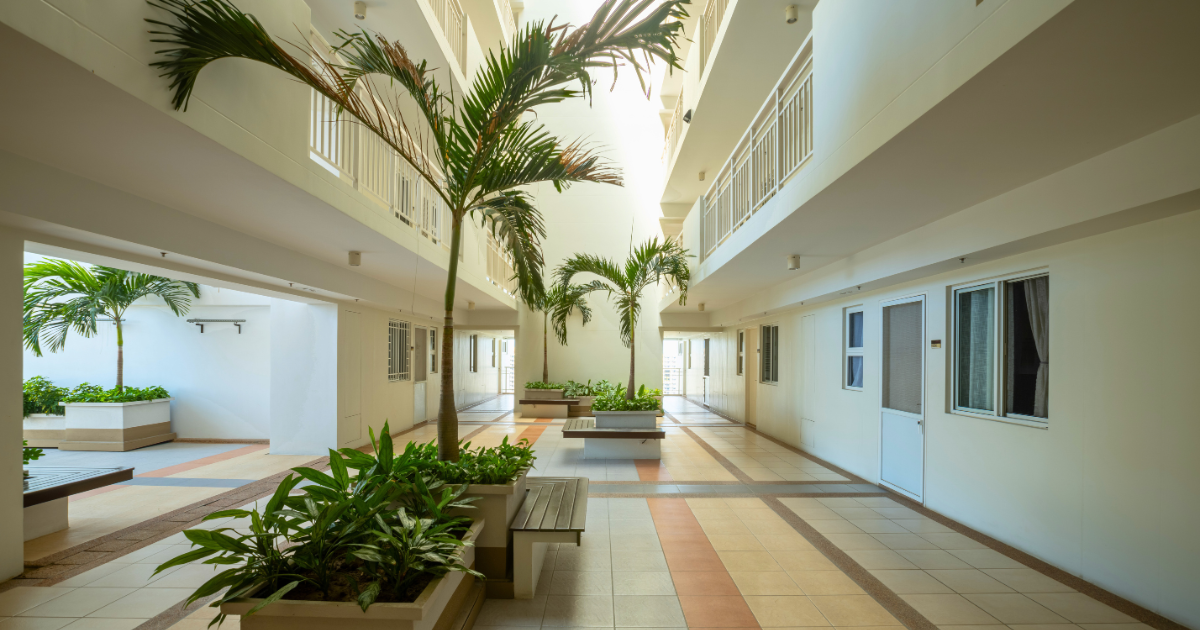
Green spaces and fresh air come inside DMCI Homes condos through Lumiventt® Design Technology.
Public health advocates note that while green spaces are not a substitute for medical care, they can play a supportive role in preventive health by encouraging daily movement and reducing stress. These benefits are particularly relevant in a context where specialist access may be limited for many communities.
As the Philippines continues to address gaps in cardiovascular care, the importance of prevention becomes even clearer. Healthier routines, supportive living environments, and stronger awareness can collectively help reduce long-term risks.
Ultimately, communities that integrate accessible open spaces may contribute to a broader culture of wellness. In residential settings where greenery, walkability, and shared outdoor areas are part of daily life, residents are given opportunities to stay active, manage stress, and build healthier habits. These subtle but consistent influences may help strengthen both individual heart health and the sense of connection that supports overall community well-being.
DMCI Homes is the Philippines’ first Quadruple A real estate developer known for building quality resort-inspired communities in Mega Manila, Baguio, Boracay and Davao City. The company’s portfolio boasts more than 70 properties since it was launched in 1999.
To learn more about DMCI Homes’ pre-selling and ready-for-occupancy projects and special promos, call (632) 5324-8888. You can also visit leasing.dmcihomes.com to know more about opportunities in leasing and rent-to-own programs of DMCI Homes. News and other updates are also posted on the company’s official website and its social media accounts on Facebook, X, Instagram, and YouTube.
How do you feel about it?