Metro Manila Subway Project Progress Draws Focus to Properties Along Its Route
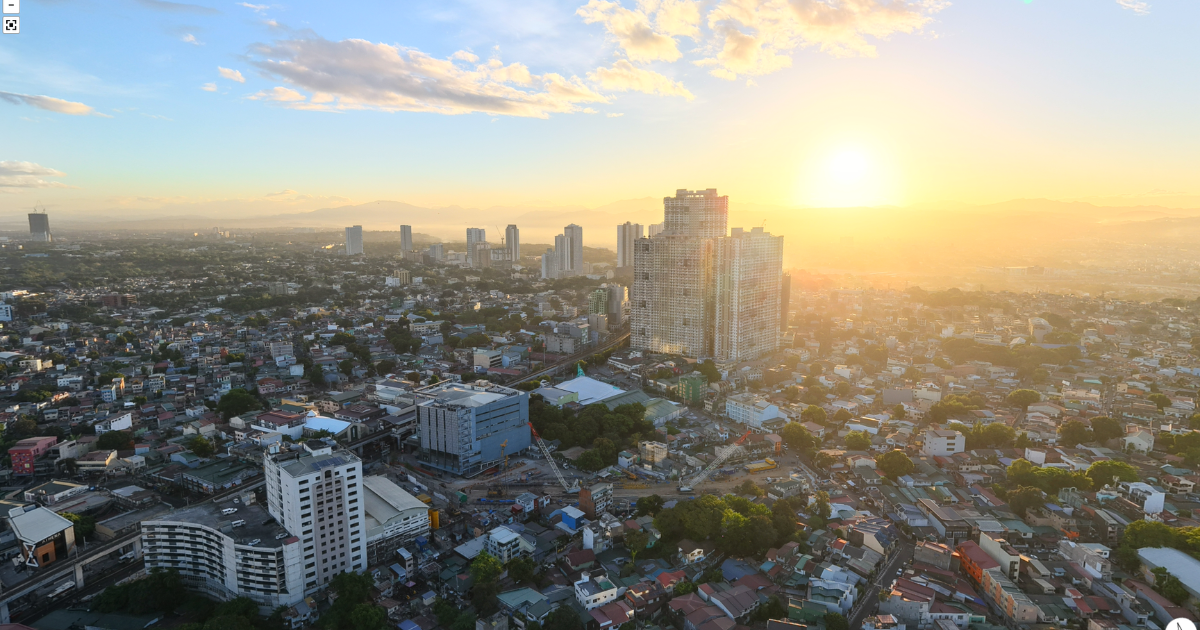
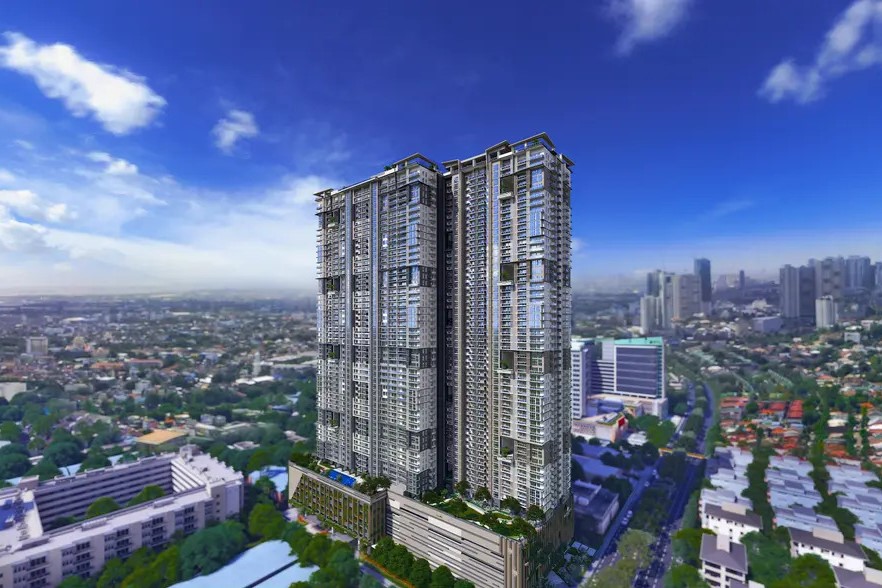
Aerial shot of the future Anonas Subway Station along Aurora Boulevard near Infina Towers and The Oriana.
After years of planning, the Metro Manila Subway Project has moved decisively into its construction phase.
According to the Department of Transportation (DOTr), major civil works and systems contracts have been awarded over the past year, tunneling activities have expanded across several locations, and long‑standing right‑of‑way constraints have largely been addressed. These developments mark a shift from planning to execution for the country’s first underground railway.
The subway will span about 33 kilometers and include 17 stations, running from Valenzuela City to Bicutan in Parañaque, with a spur line connecting to Ninoy Aquino International Airport Terminal 3. DOTr has said the system is intended to significantly reduce travel time across Metro Manila, particularly between northern and southern corridors that are currently among the most congested.
As construction activity becomes more visible, attention is beginning to turn to the project’s potential impact on the property market. Large‑scale transport infrastructure has historically influenced where people choose to live and work, and property markets often respond well before full operations begin.
Real estate consultancy Colliers Philippines has noted in several market briefings that improved transport accessibility tends to support residential demand and long‑term price growth.
In previous studies on major rail projects, Colliers pointed out that land and residential values within excellent proximity to transport hubs often benefit as connectivity improves. The firm has also observed that developments with direct access to rail systems tend to show more resilient price performance over time, supported by sustained demand from both end-users and tenants.
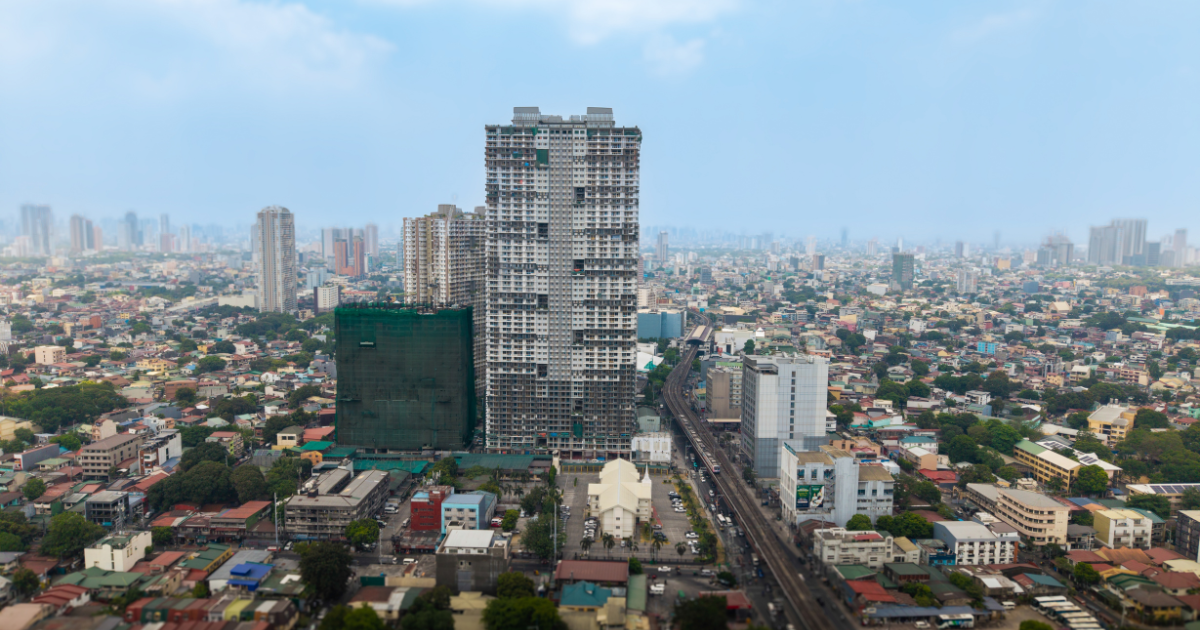
Strategically located between Katipunan Avenue and Cubao, The Oriana stands at the crossroads of connectivity, offering seamless access to LRT‑2 Anonas and Katipunan stations, with future integration to the Metro Manila Subway, positioning residents at the heart of Metro Manila’s key transit corridors.
The current environment adds weight to this trend. Rising fuel prices and higher transport costs have made road‑based commuting more expensive and less predictable, increasing the appeal of locations that offer reliable public transport options.
Condominiums near train stations provide practical advantages by reducing travel time and dependence on private vehicles, factors that are increasingly shaping housing and investment decisions.
Timing is another key consideration for investors. Property values around major infrastructure projects often begin adjusting during construction, as progress becomes more tangible and confidence in completion builds. Colliers Philippines has noted that property markets often begin pricing in improved accessibility during the construction phase of major transport projects, with values adjusting further as completion approaches.
This dynamic is expected to play out along the Metro Manila Subway Project corridor. Planned stations such as Tandang Sora, Quezon Avenue, and Anonas are expected to improve links between northern Metro Manila and major employment centers. Meanwhile, stations in Ortigas, Shaw Boulevard, Kalayaan Avenue, Bonifacio Global City, and Lawton are positioned to strengthen connectivity across key commercial districts.
Several residential developments are already positioned near these planned stations.
In Quezon City, projects such as The Erin Heights, The Crestmont, The Oriana, Infina Towers, and The Orabella are located near the future Tandang Sora, Quezon Avenue, and Anonas stations.
In Pasig City, Prisma Residences and Allegra Garden Place are within reach of stations including Ortigas, Shaw Boulevard, Kalayaan Avenue, Bonifacio Global City, and Lawton. Access to multiple stations enhances flexibility in daily travel and supports their longer-term appeal.
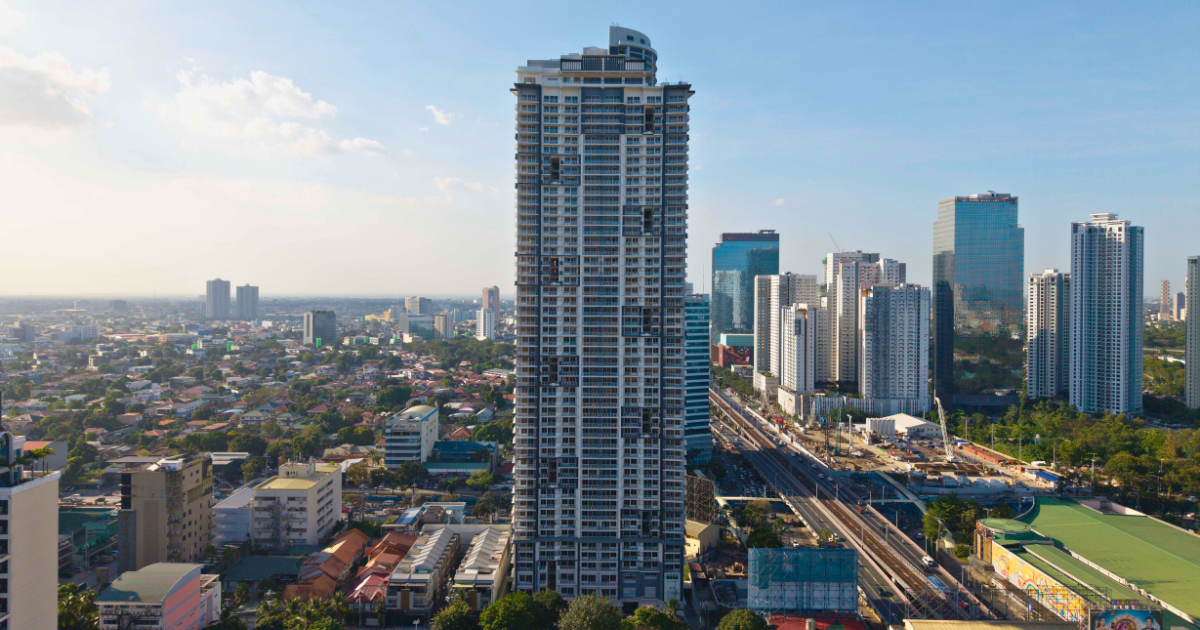
The Crestmont is just steps from the MRT‑3 Quezon Avenue Station and is also close to the future Quezon Avenue Station of the Metro Manila Subway Project.
Other developments, including Satori Residences, Fortis Residences, and Sage Residences, are linked to existing rail lines that are designed to connect with the subway network. These connections are expected to expand accessibility and support the growth of more transit-oriented residential locations across the metro.
Preselling developments, in particular, offer an early entry point into this cycle. Prices are typically based on current market conditions, while the full impact of improved connectivity is still unfolding. As construction milestones are reached and demand strengthens, values are expected to adjust accordingly.
The Metro Manila Subway Project is also designed to integrate with rail systems, including MRT-3, LRT-1, LRT-2, MRT-7, and the North–South Commuter Railway. Transport planners have said these links are intended to expand travel options and support denser, transit-oriented communities around interchange stations.
With contracts awarded, tunneling underway, and right-of-way issues largely resolved, the Metro Manila Subway Project has entered a phase where progress is increasingly evident.
For property investors, this matters. Infrastructure of this scale does not simply shorten commutes; it reshapes residential demand over time.
DMCI Homes is the country’s first Quadruple A real estate developer, with projects in Mega Manila, Baguio City, Tuba in Benguet, San Juan in Batangas, Boracay, Cebu City, and Davao City. Each of its properties is built with world-standard craftsmanship borne from D.M. Consunji Inc.’s over 70 years of expertise in the construction and development industry.
To learn more about DMCI Homes’ pre-selling and ready for occupancy projects, units for lease, and special promos, call (632) 5324-8888. You can also visit leasing.dmcihomes.com to know more about opportunities in leasing and rent-to-own programs of DMCI Homes. News and other updates are also posted on the company’s official website and social media accounts on Facebook, X, Instagram, and YouTube.
How do you feel about it?