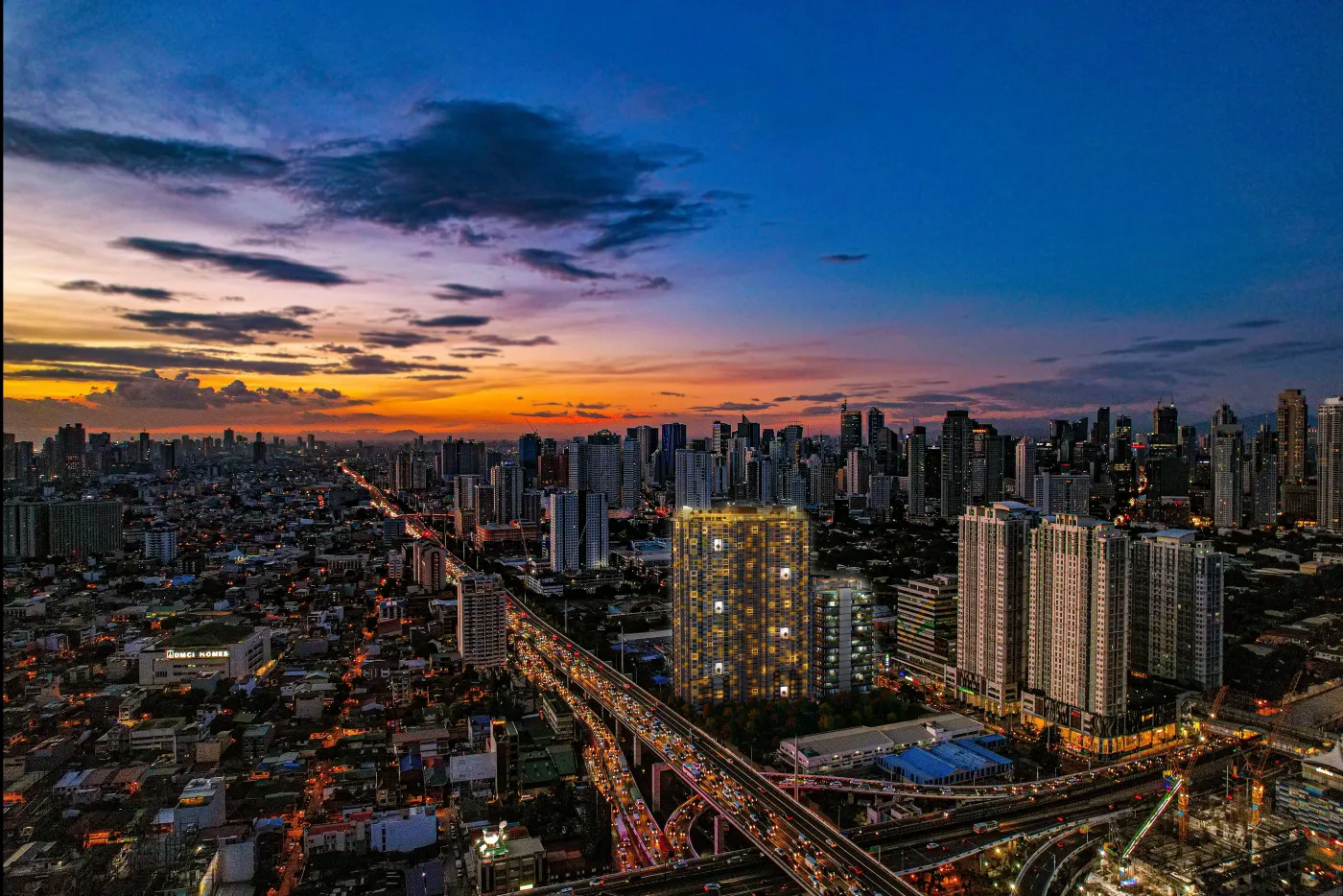
Metro Manila Condo Investment Prospects For 2026
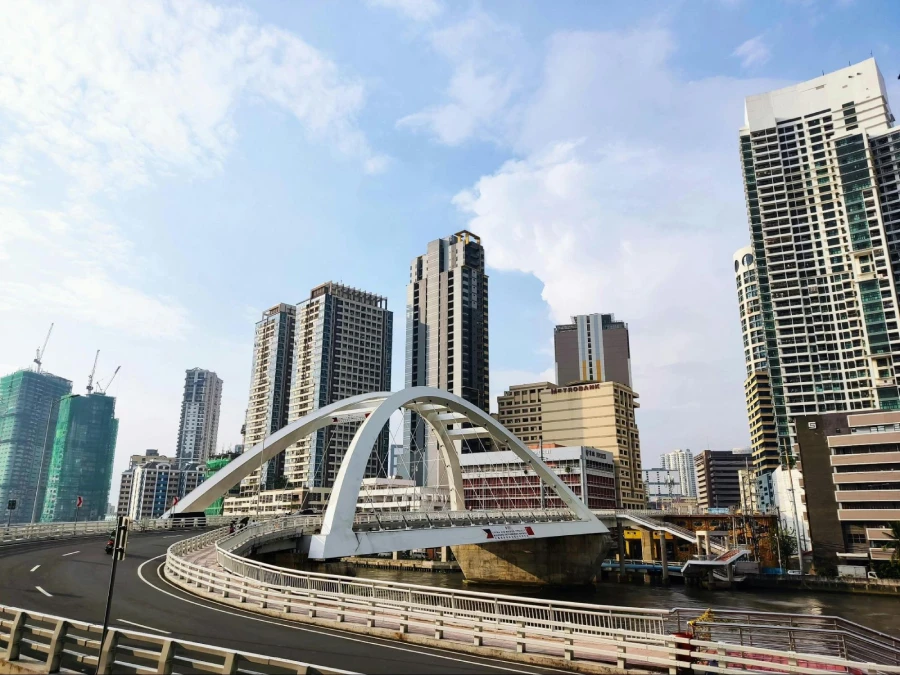
Photo by Pinkya via Pexels
The Metro Manila condo market is reportedly in flux, implying huge problems for investors and developers in the Philippines. At the end of 2024, there were 70,000 unsold units in the metro alone, leading experts to declare a state of critical oversupply across the nation’s bustling capital region.
As of 2026, there are nearly 75,000 empty, unutilized, and unsold units across the metro. But what exactly does this apparent vacancy rate mean for the local real estate sector, and what do these numbers imply for people who just want to invest in their condominium in Manila?
Whether you’re a first-time buyer looking for affordable housing opportunities or a seasoned investor evaluating economic conditions, you’ll need to understand the factors behind this trend for your financial success. By analyzing the impact of oversupply on the market at large, you’ll be able to devise your confident strategies amid industry challenges.
Need to figure out whether 2026 is the right time to invest in your desired condominium layout? Take a look at this guide by DMCI Homes for tips to identify trends, maximize opportunities, negotiate deals, and avoid risks with ease and expert assistance.
Understanding the condominium unit oversupply
Want to know what’s new with the real estate market in the Philippines? Here’s a quick rundown of recent developments so that you can properly understand the reported condominium unit oversupply crisis in the country’s capital.
Oversupply and soaring vacancy rates
The Metro Manila real estate market is experiencing an oversupply of condominium units - that is, a record high of empty, underutilized, and unsold residential properties in the National Capital Region. Weakened demand for these condo units has led to the slow absorption of this key inventory, resulting in tens of thousands of vacant properties all across the metro.
According to Colliers’ market outlook for 2026, Pasig, Parañaque, and Quezon City have among the highest levels of unsold units. Submarkets with high levels of unsold ready-for-occupancy (RFO) units, meanwhile, also add Manila and Makati to the list of cities in drastic oversupply. In general, most of NCR is suffering from high vacancy rates, leading experts to ask the question: what led to this massive surplus in residential units across the country’s capital?
Factors that led to the surplus of units
The current real estate oversupply in the metro can be traced back to more than one cause. A property boom between 2017 to 2019 fueled rapid condo development in the region – but when the COVID-19 pandemic hit in 2020, consumer need for such financially demanding properties fell dramatically. Economic uncertainties during those pandemic times also discouraged prospective buyers from purchasing all the units that had been constructed in the region within the past few years.
High vacancy rates in NCR could also be attributed to major shifts in tenant and buyer preferences post-pandemic. Nowadays, when people want to build wealth via property ownership they go for suburban housing developments with greener environments and fresher air, not urban units in the Metro Manila area. These changes in consumer desires have contributed to the decline in the demand for housing in the capital, resulting in the complex surplus crisis today.
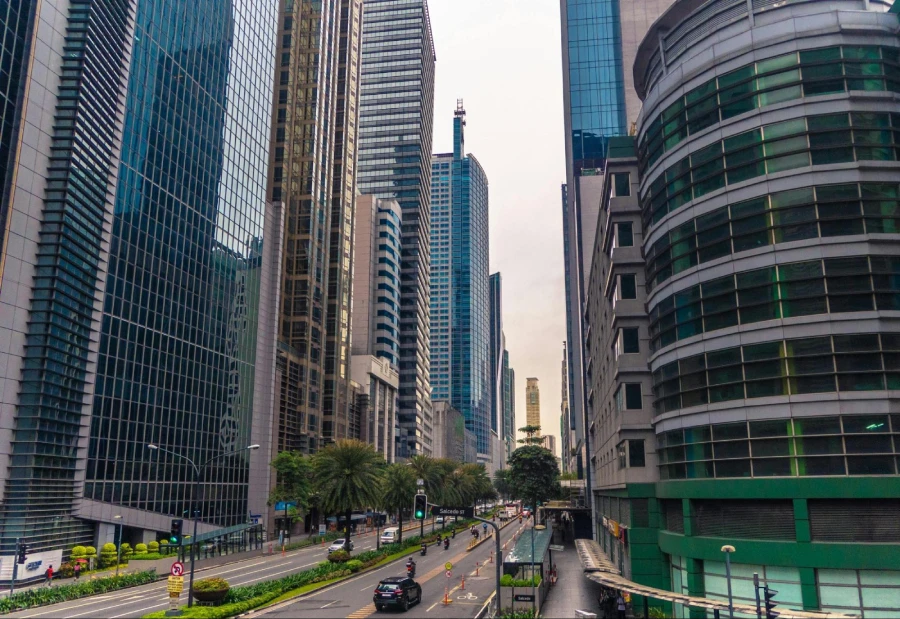
Photo courtesy of Mel Casipit via Pexels
The effect of oversupply on investors and developers
Oversupply in some of the most accessible urban communities in the capital has led to multiple changes in the ways investors and developers approach real estate in 2026. Here are some of the notable effects that this complex trend has on these critical stakeholders.
Reduced property prices
Investors and developers have had to reduce some of their property prices due to the high supply of condo units and low demand among consumers. Sellers have had to shift their prices to compete for buyer interest, offering incentives and flexible payment schemes to capture the interest of potential clients. This has transformed Metro Manila into a buyer’s market, with lower prices and greater opportunities for prospective home or property owners.
Lower rental yields
Similar to the previous point, developers and landlords have also had to lower their rental prices amid high supply and low demand for housing across the metro. To compete with other rental businesses, lessors have had to adjust rental prices to better attract potential tenants. This has led to lower rental yields, reducing the overall return on investment for landlords and property owners.
Photo courtesy of Kim Gamara via Pexels
Challenges for resale properties
With so much supply, it has become increasingly difficult to resell condo properties at their previous market prices. Without the right adaptations to the challenge of high vacancies, such as shifting prices or offering flexible payment schemes to compete for consumer interest, investors like you may find it a lot harder to resell a unit – unless your location is well-served by infrastructure that remains attractive to buyers.
New project development slowdown
There has also been a notable slowdown in new development projects. Due to excessive supply and a slowdown in sales, developers have had to pause new project launches in 2026. They’ve also had to re-strategize their offerings and devise more competitive payment terms to attract buyers, affecting prospective property values in the future.
These high inventory levels have resulted in real estate developers adjusting their strategies to sell their supply of units more quickly. By offering discounts, extended payment terms, rental guarantees, and lucrative rent-to-own schemes in Metro Manila, they have made it much easier for homebuyers to manage their finances and reduce the immediate burden of property buying costs.
Photo courtesy of Patrick Vogt via Pexels
Opportunities for buyers and investors in 2026
Based on the previous section, you can probably tell that now is the best time to get a place to live in Metro Manila as a buyer or renter. Here’s a list of the real estate opportunities for buyers and tenants in the metro this 2026.
Lower prices and better deals
Due to high vacancies and low demand in NCR, buyers and renters can currently negotiate better deals for properties amid the oversupplied condo industry in the region. You can make the most of this market trend by asking for reduced prices or more flexible payment terms, as developers need to sell their vacant units to clear out their inventory.
More flexible payment terms
To reduce their aforementioned inventory and keep pursuing their development projects, condominium complex developers are turning to discounts and promotions that currently favor buyers and renters. From smaller down payments and extended payment periods to flexible rent-to-own condo agreements, these adjustments make it easier for potential buyers to accessibly purchase a home while also clearing out inventories for developers.

Photo courtesy of cottonbro studio via Pexels
Better areas and locations to invest in
As the country’s capital deals with the complex oversupply trend, other key provinces and destinations are showing promise with great location and excellent consumer demand. Developers and investors are shifting their interest towards markets outside NCR, with provincial real estate like Benguet, Laguna, Batangas, Iloilo, Davao, and Cebu gaining tons of well-earned traction.
Longer-term appreciation potential
While you’re right to be concerned about the surplus of units across NCR, it’s important to keep a positive outlook toward the resilient and adaptable market for residential real estate in the metro. After all, there remains a wealth of potential for the long-term appreciation of property, once its supply stabilizes in the region. Amid the downswing, remember to enact strategies to optimize your unit for greater financial returns. Prices will eventually recover, and you’ll be able to gain great returns on your investment.
Rise of the rent-to-own condominium in Manila
Since sales, rentals, and resales are struggling to find a market in the metro this year, developers and property owners have been offering even more flexible ownership schemes to attract buyers. Rent-to-own properties are a great example of ownership programs that make buying a lot easier on the budget. By diversifying your choices with a rent-to-own strategy, you’ll have an easier time either selling your property or buying a Metro Manila home in the long run.

Photo courtesy of Pixabay via Pexels
Current risks to investing in a condominium in Manila
Of course, there are still risks and challenges to investing in properties across the capital this 2026. Keep the following factors in mind as you assess the viability of your investment amid the oversupply crisis.
Greater competition in condos for rent in Manila
With more empty homes and even less tenant demand, there’s an undoubtedly strong sense of competition among sellers, landlords, and lessors today. Whether you’re trying to sell your property in Quezon City or rent out condos in Malate, you’ll be faced with challenges in attracting and locking down viable tenants or homebuyers for your own real estate success.
High interest rates and financing costs
In addition to the impacts of high vacancy rates on property values and rental costs, there has also been an increase in interest rates over the years that has reduced the demand for condo homes. While cuts have been made by the Bangko Sentral ng Pilipinas (BSP), mortgage rates won’t go down until mid-2026. These high rates, along with price inflation for household needs and goods, can negatively impact your investment by discouraging potential buyers and renters.

Photo courtesy of Mikhail Nilov via Pexels
Delayed development projects
As mentioned before, developers have had to delay project launches in 2026 due to their excessive inventory and a slowdown in sales. They’ve also had to restrategize their offerings and devise more competitive payment terms to attract buyers. So there’s a risk of buying pre-selling units in today’s market because there’s still a lot of supply that developers need to get rid of first.
Overall market uncertainty
In general, there’s a lot of uncertainty surrounding the real estate market in the country’s capital. Experts are wondering if demand for residential properties will remain weak for an unbearable period, leading to the depreciation of property values. However, by viewing the current surplus as a call for industry improvement after years of rapid expansion, you may come to appreciate the cyclical rise and fall of NCR’s property sector.
This shift offers the sector an opportunity to think about the metro’s longer-term sustainability, especially when shaping the landscape into one that is better aligned with consumer needs. This oversupply trend tells developers to prioritize quality, resilience, and innovation, to eliminate weaker projects and raise industry standards overall.

Photo courtesy of Andrea Piacquadio via Pexels
Strategies for smart condo investing in 2026
Given all these threats and opportunities for property in the metro, you might be wondering if now is the best time to invest in a condo of your own. Here are a few ways you can ensure you’re making smart investment choices for your long-term success in Metro Manila condo real estate.
Identifying great opportunities
If you’re starting a new investment in 2026, you should remember that there are great deals available for buyers and tenants right now. Identify these opportunities by studying undervalued properties and diversifying your portfolio for strategic locations. Avoid overly urbanized locations such as cities with traffic choke points across the metro, and go for provincial condos or mixed-use developments. With these properties in specific niches, you can negotiate better prices and ensure your future real estate success.
Choose the right developer
Another way to identify a smart choice for your purchase is to choose from the best possible condominium developers in the industry. Evaluate the reputation, track record, and financial stability of your chosen company, and make sure that the homes they offer are constructed by quadruple-A builders with strong long-term potential.

Photo courtesy of Max Vakhtbovycn via Pexels
RFO vs. pre-selling condos in Manila
If you’re choosing between RFO and pre-selling condos in Manila in the current oversupply climate, base your decision on market conditions and go for RFO units. As the name implies, these types of properties are ready for you or your tenant to occupy. By buying these types of units, you can help to reduce the supply of currently existing empty homes a lot more quickly.
Rentals vs. resale vs. rent-to-own
If you already have your property and you want to maximize its financial returns in these difficult times, then you’ll need to assess whether renting out, renting-to-own, or straight-up reselling is the best option for your needs. Take note that a decreased demand may make it more difficult for you to find buyers or renters. With a flexible and friendlier rent-to-own program, you may be able to access a wider pool of prospective tenants for your real estate needs.
Photo courtesy of Jonathan Borba via Pexels
Is 2026 really the best time to invest?
Right now, 2026 is the best time for smart investors who can play the long game. If you’re willing to find the best deals on the market, identify developments in locations with high potential for appreciation, and await financial returns from sales or rentals when demand returns to normal, then this year is going to be the right time for you to purchase property and diversify your portfolio.
If you’re new to investing and want to wait for prices to stabilize, then expect it to take time for prices to correct themselves in NCR. The oversupply is expected to undergo an 8.2-year absorption period, so you might be waiting for a while if you hesitate to buy a unit of your own today.
Even amid high vacancy rates and low demand, 2026 can still be considered a great time to invest - as long as you understand the dynamics of the NCR market. So make sure to connect with real estate experts like the ones at DMCI Homes to get the best insights and information for your next big investment.

Photo courtesy of Alexis Ricardo Alaurin via Pexels
Key takeaways
Successfully navigate the ups and downs of Metro Manila’s condo market when you do your research and take advantage of current industry conditions. Remember to bring these final tips away with you for a successful real estate investment this year:
- Keep track of industry sentiment towards oversupply. If you notice companies lowering prices or offering promotions in light of the increased vacancy rates in the metro, take advantage of their sentiment and avail the best deals for your needs.
- Consider developments outside of the NCR area. Take the reported oversupply trend as a golden opportunity to look at emergent destinations and niche categories outside of the country’s oversaturated capital. If they meet your investment goals, consider going for these properties instead to avoid the crisis going on in NCR.
- Consult with industry experts for more insights. Make sure to get in touch with the professionals at DMCI Homes for better insight into the current state of real estate in the metro and all across the country.
Get the latest news and announcements from DMCI Homes! To stay up-to-date on DMCI Homes condo options, remember to visit us on Facebook, Twitter, Instagram, and YouTube. Make sure to download the DMCI Communities app on Google Play or the App Store to join the conversation today.
How do you feel about it?

One Address. Endless Possibilities.
The next chapter of your life begins at Fortis Residences. It will be a gateway to an emerging special mixed-use district along Chino Roces Avenue, Makati City.
Visit Fortis ResidencesTo learn more about DMCI Homes’ pre-selling and ready for occupancy projects, units for lease, and special promos, call (632) 5324-8888. You can also visit leasing.dmcihomes.com to know more about opportunities in leasing and rent-to-own programs of DMCI Homes. News and other updates are also posted on the company’s official website and social media accounts on Facebook, Twitter, Instagram, and YouTube.