Is Renting the New Buying? Why DMCI Homes Is Offering More Flexible Renting Options

Photo Courtesy of Ketut Subiyanto via Pexels
While purchasing a home remains a traditional aspiration, renting is increasingly becoming a more appealing option for many Filipinos. How much does renting a condo cost? The quick answer is for a fraction of the cost of buying a property. Aside from the economics of housing, the landscape of home ownership in the Philippines is undergoing significant transformation, influenced by evolving economic conditions, shifting consumer preferences, and technological advancements.
The Philippine real estate market has witnessed notable changes in recent years. Factors such as rapid urbanization, population growth, and economic development have shaped the demand for residential properties. Metro Manila continues to be a focal point for real estate investments, but other regional cities are emerging as competitive markets due to increased infrastructure developments and improved accessibility.
Additionally, the rise of remote work has led to a preference for homes that can accommodate flexible workspaces. This shift has prompted developers to design properties with dedicated office areas and integrate amenities such as high-speed internet access.
The Growing Appeal of Renting
Renting is gaining popularity among various demographics, particularly millennials and Gen Z individuals entering the workforce. The flexibility offered by rental arrangements allows tenants to adapt to changing circumstances without the long-term commitment associated with homeownership.
The rental market is experiencing growth, driven by factors such as urbanization and the demand for residential properties in city areas. Online platforms have streamlined the property rental process, making it more efficient and accessible for both landlords and tenants.
DMCI Homes, one of the country’s top real estate developers, offers flexible rental options in response to the rising demand for affordable, flexible and convenient housing. It provides condo spaces for short-term and long-term leasing, furnished and unfurnished spaces, and a rent-to-own scheme for tenants who may eventually wish to become homeowners.
This article will explore why renting is becoming a preferred choice and how DMCI Homes provides flexible, high-quality rental solutions tailored to modern lifestyles.
Renting a Home over Buying a Property
More people prefer to rent homes instead of buying properties for various reasons, mostly for practicality - it’s more affordable, flexible, and convenient. Here are the top factors behind the preference for leasing:
1. Affordability & Financial Flexibility
Renting significantly reduces upfront costs and financial burdens compared to buying a home. Instead of a large down payment, renters typically only need to cover a security deposit and the first month’s rent.
There's also no need to pay property taxes, home insurance, or maintenance costs—expenses that homeowners regularly shoulder. This makes renting a more affordable and flexible option, especially for those who are still saving, uncertain about long-term plans, or aiming to avoid the long-term financial commitment of a mortgage.
2. Lifestyle Mobility
The rise of digital nomads, young professionals, and modern families has fueled a growing demand for flexible housing options. Digital nomads, enabled by remote work, prefer short-term rentals that let them move freely.
Young professionals often prioritize convenience and mobility over long-term ownership, opting for rentals in urban centers close to work and amenities. Meanwhile, families are increasingly drawn to the flexibility of renting, allowing them to adapt quickly to job relocations, school changes, or lifestyle shifts without the burden of selling a home.
3. Market Uncertainty
Economic factors are making homeownership in the Philippines less accessible for many. Rising property prices, especially in urban areas, outpace wage growth, making it harder for average earners to afford a home.
High inflation and interest rates also increase the cost of borrowing, making mortgages more expensive. Additionally, stricter loan requirements from banks make it difficult for first-time buyers to qualify.
4. Shifting Priorities
Modern consumers value flexibility because it aligns with their fast-changing lifestyles and priorities. Renting offers the freedom to relocate for career opportunities, travel, or life changes without being tied down by a mortgage or the responsibility of property upkeep.
It also allows them to adapt more easily to economic shifts and personal goals, such as saving or investing elsewhere. This adaptability makes renting a preferred choice for those who prioritize mobility, convenience, and financial agility over long-term commitments.
When you consider all these factors, it’s no surprise that more Filipinos are pushing toward renting as a more viable and immediate housing solution.

Photo Courtesy of cottonbro studio via Pexels
Rising Demand for High-Quality, Flexible Rentals
Today’s renters are not only looking for spaces. They want homes that offer convenience, amenities, and hassle-free living. They choose homes that help them achieve a life-work balance.
What Renters Are Looking For
Renters today prioritize convenience, amenities, and hassle-free living because they seek comfort and efficiency in their busy lives. Many rental properties offer features like on-site maintenance, security, gyms, and co-working spaces—benefits that simplify daily routines and reduce stress.
Renters also value being close to workplaces, transport, and lifestyle hubs, minimizing commute times. This all-in-one convenience makes renting an attractive option for those who want modern living without the responsibilities of homeownership.
For those thinking about shifting from being a renter to a homeowner, real estate developers offer rent-to-own schemes.
The Growth of Rent-to-Own Schemes
Rent-to-own models offer a potential bridge between renting and buying by allowing renters to lease a property with the option to purchase it later. Part of the monthly rent may go toward the eventual down payment, helping renters build equity over time. This setup benefits those who may not yet qualify for a mortgage or need time to save, while still moving toward homeownership. It combines the flexibility of renting with a long-term goal of owning, making it an appealing option for aspiring homeowners.

Photo Courtesy of ANTONI SHKRABA via Pexels
How DMCI Homes Is Leading the Flexible Renting Movement
In response to the rising demand for rentals, DMCI Homes offers a range of leasing options. These options aim to accommodate diverse housing needs, including short-term, long-term, and rent-to-own agreements.
1. Tailored Rental Packages
DMCI Homes provides flexible lease terms to suit various preferences, as follows:
- Short-term lease of up to 6 months;
- Medium-term lease of 6 months to 11 months; and
- Long-term lease of 12 months or longer
These options are available for both furnished and unfurnished units, allowing tenants to choose based on their requirements.
2. Rent-to-Own: Home Ready Program
For those considering eventual homeownership, DMCI Homes' Home Ready Program offers a rent-to-own pathway. Here’s an overview of this scheme:
Home Ready allows you to save 60% of your total lease payment for your down payment. Before your lease expires, you may notify DMCI to buy the condo unit. You only need to pay at least 10% of the unit’s contract price. This down payment consists of the creditable amount from your total lease payment plus cash, for the balance if any.
Since this model follows the 10/90 payment term, the remaining 90% of the unit’s contract price may be settled through bank financing or in-house financing.
Here are additional perks you will enjoy with Home Ready:
- Price Protection: The unit’s contract price will be locked in on the start of your lease. Once you decide to buy your leased unit, you don’t have to worry about any price increases.
- Instant Move-In: All Home Ready properties are available for occupancy, allowing you to experience living in a DMCI Home community once you move in as a tenant.
- Free Property Valuation: You’re entitled to a free property evaluation. You can request an assessment of the value of the condo unit after the leasing period and when you sign up for Home Ready.
- Integrated Client Services: DMCI Homes provides responsive client support from its Leasing, Customer Care, and Property Management Office.
3. Fully-Furnished vs. Unfurnished Units
DMCI Homes offers both fully furnished and unfurnished units to cater to different tenant lifestyles and preferences.
Fully-furnished units are ideal for those seeking a move-in-ready option—perfect for busy professionals, expats, or short-term renters who value convenience and minimal setup. In contrast, unfurnished units appeal to long-term renters or families who want to personalize their space and bring in their own furniture. This flexibility allows DMCI Homes to meet a wide range of housing needs, from temporary stays to more permanent living arrangements.
4. Strategic Locations
DMCI Homes strategically positions its properties in key urban hubs across the Philippines, especially in Metro Manila, Davao, and Baguio. These locations are chosen for their proximity to business districts, schools, transport hubs, and lifestyle centers, making daily commutes and access to essentials more convenient.
By placing developments in high-demand areas, DMCI caters to professionals, students, and families looking for both comfort and connectivity in city living.
5. Premium Amenities & Services
DMCI Homes' gated communities are designed to offer residents a secure, resort-inspired lifestyle with a comprehensive range of amenities that cater to various needs.
- Security and Safety
- Each DMCI community is equipped with 24-hour security personnel, CCTV surveillance in common areas, and perimeter fencing to ensure resident safety.
- Pools and Recreation
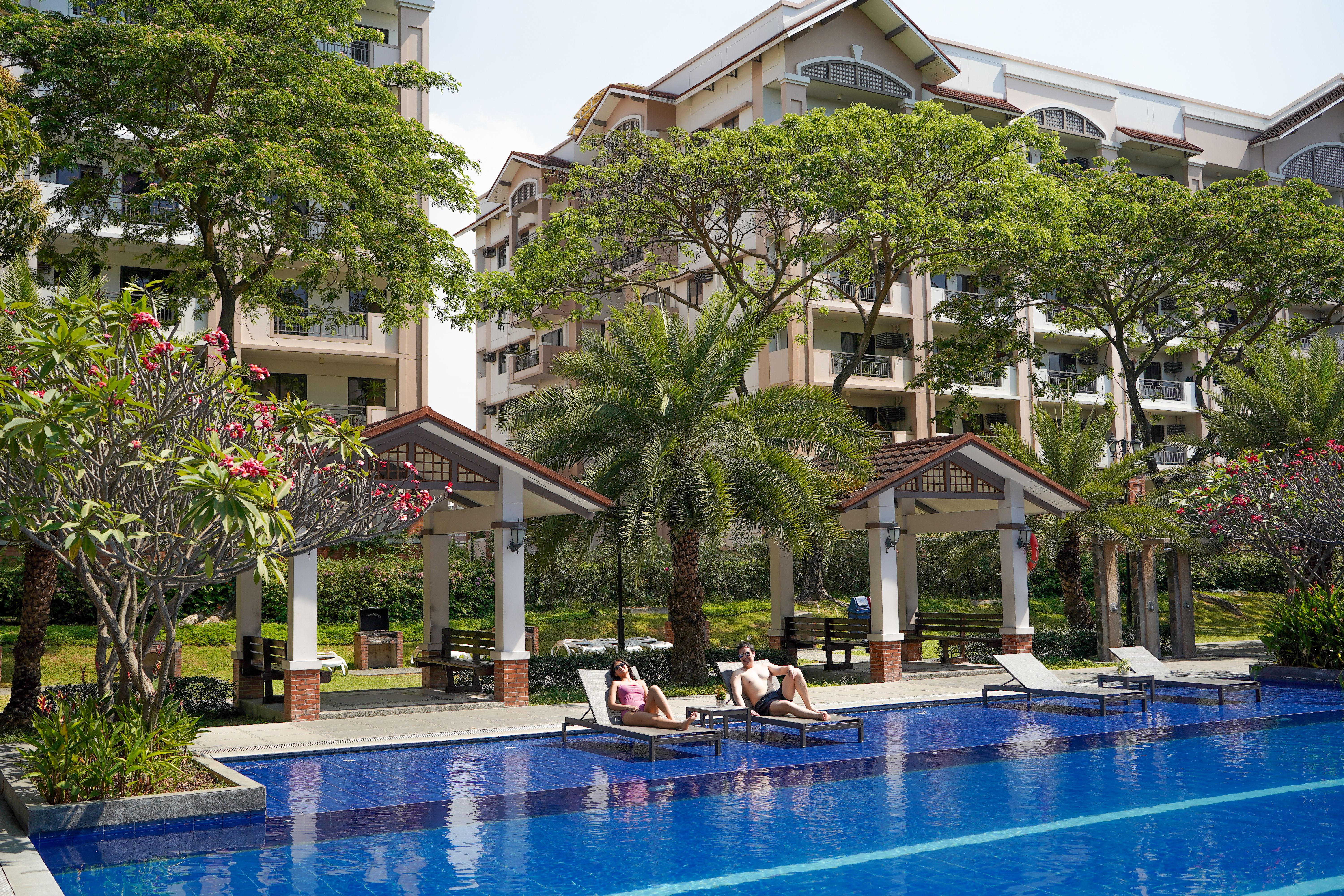
- Residents can enjoy multiple swimming options, including lap pools, kiddie pools, and leisure pools.
- Fitness and Wellness
- Fitness enthusiasts have access to fully equipped gyms, some with additional facilities like dance studios, yoga rooms, and saunas.
- Community Spaces
- DMCI communities feature landscaped gardens, open lawns, picnic groves, and playgrounds to promote outdoor activities and family bonding.
- Clubhouses and Function Areas
- Clubhouses serve as social hubs, offering function rooms, lounges, and entertainment areas.
These amenities collectively create a balanced environment that supports active living, relaxation, and community engagement within DMCI Homes' developments.
6. Ease of Process
DMCI Homes offers a streamlined experience for renters with digital applications, seamless contracts, and comprehensive tenant support. Their user-friendly online platforms allow for easy unit browsing, application submission, and payment processing.
The lease agreements are straightforward, often handled electronically for quick and efficient transactions.
Additionally, DMCI Homes provides continuous client support through dedicated customer service teams, ensuring smooth communication and assistance throughout the rental experience. This digital approach enhances convenience and accessibility for residents.
DMCI Homes is leading the flexible renting movement with its high-quality resort-style condo communities, various rental options, and responsive customer support. It also offers a scheme for renters to eventually become homeowners through the Home Ready Program, a rent-to-own payment option.

Photo Courtesy of Ivan Samkov via Pexels
Renting vs. Buying: A Side-by-Side Comparison
Get a clearer picture of the pros and cons of renting a home versus buying a property before deciding which suits you better. As choosing your housing is a big decision, take your time to weigh your options. Here are some important factors to consider:
| Factor | Renting with DMCI Homes | Buying a Property |
| Upfront Cost | Lower (Deposit + Rent) | Higher (Down Payment + Mortgage) |
| Flexibility | High (Easier to Relocate) | Low (Long-Term Commitment) |
| Maintenance | Covered by Landlord/Developer | Owner’s Responsibility |
| Investment Potential | No ownership equity | Builds long-term asset value |
| Ideal For | Expats, young professionals, short-term residents | Families, long-term settlers |
1. Upfront cost
Renting a condo home typically requires a much lower upfront cost compared to buying a property. Renters usually pay a security deposit, the first month's rent, and possibly a few other fees, making it more affordable in the short term. In contrast, buying a property involves a significant down payment (usually 10-20% of the purchase price), along with transfer fees, taxes, and potential mortgage fees, which can be financially burdensome.
Renting offers flexibility with lower initial expenses, while buying requires a larger upfront investment but leads to homeownership.
2. Flexibility
Renting offers greater flexibility compared to buying a property. Renters can choose lease terms ranging from short-term to long-term and can easily relocate when their needs change, without the long-term commitment of homeownership.
On one hand, renting avoids the responsibilities of property maintenance and mortgage payments. On the other hand, buying a property ties the homeowner to a specific location, often with a long-term mortgage commitment and the challenge of selling or managing the property if they wish to move. Renting provides more mobility and fewer obligations.
3. Maintenance
Renting typically involves less responsibility for maintenance and upkeep. The PMO handles most repairs, maintenance, and common area upkeep, allowing tenants to focus on their daily lives without worrying about these tasks. In contrast, homeowners are responsible for the maintenance and repair of their property, both inside and out, which can be time-consuming and costly.
Renting offers a hassle-free living experience, while buying a property requires more involvement and financial commitment for maintenance.
4. Investment potential
Buying a property, such as a condo, offers greater investment potential in the long term. Homeownership allows you to build equity over time, potentially benefiting from property value appreciation. In contrast, renting provides no return on investment, as rent payments do not contribute to ownership.
However, renting offers flexibility without the financial commitment and responsibilities of ownership, making it a good choice for those who prioritize mobility or are not yet ready for the long-term investment. Ultimately, buying provides potential for financial gain, while renting offers short-term benefits without the risk.
5. Target market
Renting a condo is ideal for expats, young professionals, and short-term residents because it offers flexibility, convenience, and a hassle-free living experience. These groups often prefer the ability to move easily without the long-term commitment and financial burden of homeownership. Renting allows them to enjoy amenities, secure living, and proximity to work or lifestyle hubs without the responsibilities of maintenance or property taxes.
Meanwhile, buying a property is ideal for families and long-term settlers, as it offers stability and the opportunity to build equity. Homeownership provides more space for growing families and the ability to personalize the property.
For those planning to stay in one location for an extended period, buying a home can also offer financial security and long-term value through potential property appreciation.
Photo Courtesy of Pinkya via Pexels
The Future of Home Living: What to Expect in the Philippine Rental Market
The Philippine rental real estate market is characterized by evolving trends, influenced by economic factors, shifting demographics, and government initiatives, as discussed below:
- Rental Demand and Yield: Rental yields are improving, driven by economic recovery and the return of expats. The influx of foreign direct investments and the government's infrastructure initiatives have made urban areas more attractive to both businesses and expats.
- Flexible Living Arrangements: The rise of digital nomads, young professionals, and students has increased demand for flexible living spaces, such as co-living arrangements and short-term rentals. These setups provide cost-effective solutions for individuals seeking mobility and convenience.
- Government Incentives and Policies: Government policies aimed at addressing housing shortages may include incentives for developers to build rental properties. Such measures could drive significant growth in the rental sector, offering more options for renters.
The Philippine real estate market in 2025 is expected to see moderate growth in property values, particularly in areas benefiting from infrastructure upgrades. Suburban regions are anticipated to outperform urban centers due to increased demand for more spacious and affordable housing. Sustainability and digital innovation will continue to shape both rental and homeownership trends, with developers integrating eco-friendly designs and smart technologies into their projects.
Philippine Developers Meeting the Evolving Housing Needs
Developers like DMCI Homes are innovating to meet evolving housing needs by offering flexible living solutions and integrating modern amenities into their properties. They design units with flexible layouts, such as spaces for home offices, to cater to the rise of remote work.
DMCI Homes also focuses on sustainable building practices, incorporating eco-friendly features and energy-efficient designs. Additionally, they offer a variety of lease options, including a rent-to-own program, to provide more accessible paths to homeownership.
By staying responsive to changing consumer preferences, such as demand for security, convenience, and connectivity, DMCI Homes is shaping the future of urban living in the Philippines.
The potential rise of hybrid rental models (e.g., rent-to-own, co-living spaces)
The potential rise of hybrid rental models, such as rent-to-own and co-living spaces, is driven by the increasing demand for flexible, affordable, and community-oriented housing.
Rent-to-own allows renters to gradually build equity while renting, making it an appealing option for those who aspire to own a home but aren't yet financially ready.
Co-living spaces cater to younger renters, digital nomads, and professionals by offering shared living arrangements with private rooms and communal areas, fostering a sense of community while keeping costs lower. Both models respond to shifting consumer preferences for flexibility, affordability, and the desire for more social, adaptable living environments.
Key takeaways
More Filipinos are opting to rent homes instead of buying properties because of the affordability, flexibility, and convenience of leasing. Developers like DMCI Homes are addressing this trend with flexible rental options, as well as a rent-to-own program to help renters transition to homeownership should they prefer.
Here are some key points to consider when choosing a home to rent:
- Research on housing options accessible to your work, school, and other establishments is essential to your lifestyle.
- Compare and contrast the amenities and facilities of your options – if these suit your lifestyle and goals, and
- Go for a property developer with a track record of delivering high-quality properties and responsive property management.
Stay updated with the latest news and announcements from DMCI Homes! Join the conversation today via our social media accounts: Facebook, Twitter, Instagram, and YouTube.
How do you feel about it?