Why Foremen are as Important as Engineers in Construction According to Engr. David M. Consunji
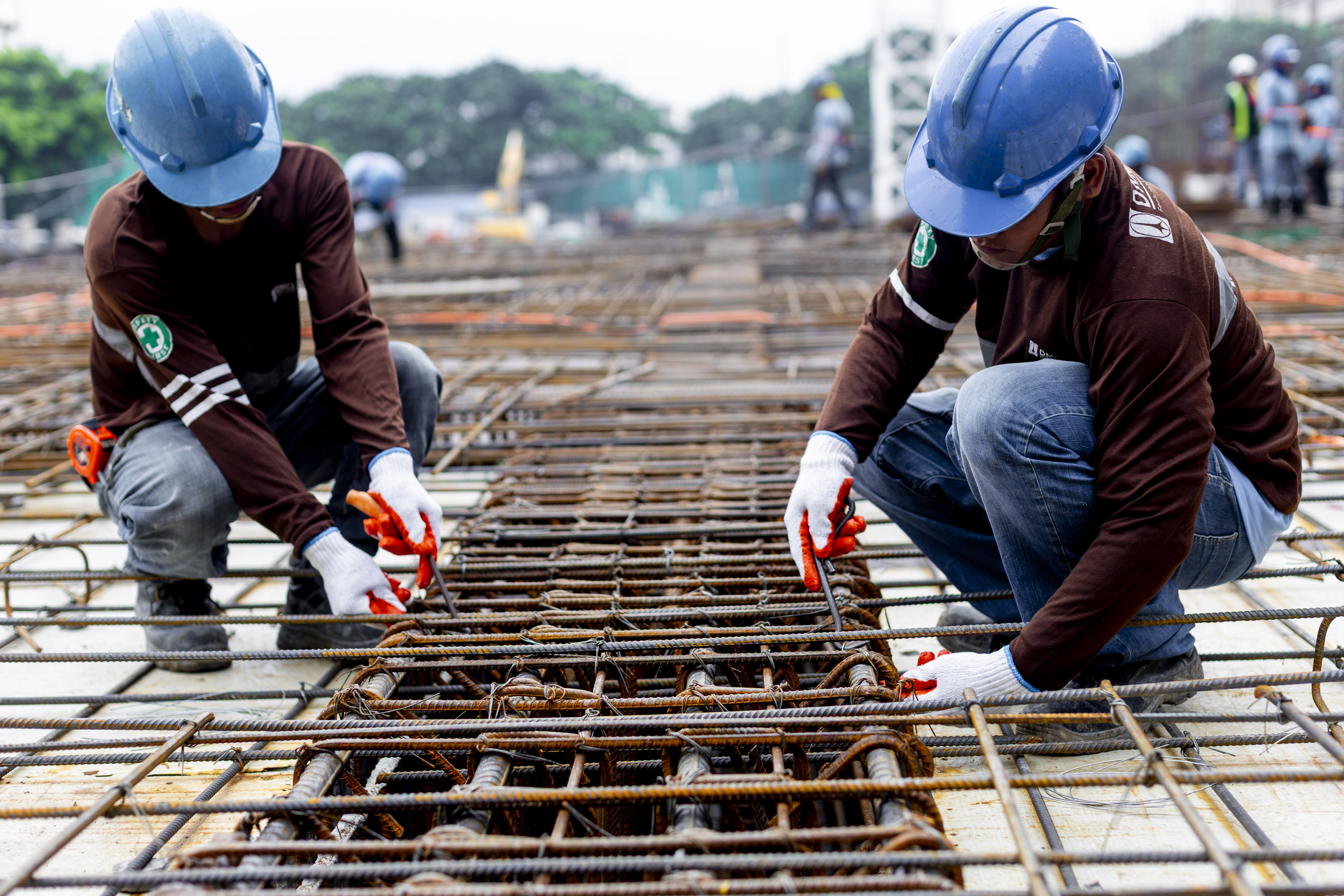
Skilled workers in a DMCI Homes construction site.
From 1956 to the mid-1960s, Engr. David M. Consunji, the “Grandfather of Philippine Construction Industry,” experienced what he calls his “years of golden opportunity,” a period when his construction firm DM Consunji, Inc. (DMCI) built the most modern structures of the era for some of the Philippines’ leading tycoons.
In his memoir A Passion to Build, Engr. Consunji said that working alongside top architects and engineers made him realize that relationships in construction are just as critical as technical skill. These include the relationship between builder and client, builder and architect, and most importantly, among the construction team itself.
For Engr. Consunji, the true backbone of any project, was the foremen and their teams. “Contrary to what others think, having good engineers is not enough,” he recalled. “A construction project relies heavily on capable gangs composed of craftsmen, led by a highly competent lead craftsman.”
“This lead hand must know exactly where to go and how to get there. He must be innovative and resourceful to make his gang work efficiently. Aside from his technical proficiency, he must also have people skills and be able to communicate well with his subordinates and his supervisors. He must be an understanding leader who is sensitive to the needs of his group so that they can work and live together harmoniously. It is of utmost importance that he is ethical and well respected by his men. This is the only way a gang can be productive.”
Early in his career, Engr. Consunji learned these lessons firsthand from Cortez, the lead foreman of Antolin Oreta’s construction firm. Eager to learn, the young builder would spend “many late nights and long weekends” observing Cortez on site, asking questions about methods and materials.
“I always had great respect for good foremen because many of them are very good builders, perhaps ‘unschooled’ by academic standards, but very knowledgeable and valuable just the same. I myself benefited greatly from the expertise of a great foreman.”
“When I was a very young builder learning the ropes of construction in the 1950s, I would often visit the project sites of Antolin Oreta's construction firm and spend many hours observing and talking to his best foreman, Cortez. I would tell him that I was new in construction and would ask questions. He would generously answer my questions and teach me things I never learned in school. Later I would tell the old man Oreta about this and he was alarmed upon learning that I had often talked to his best foreman. He probably thought Cortez had given away his trade secrets.”
That mentorship, built on humility and curiosity, shaped how Engr. Consunji would lead his own team.
Banding Guevarra: ‘The Foremost Foreman’
Among the many foremen who worked with him, one stood out above all—Banding Guevara, a carpenter from Bataan. “He was probably the best in the country at the time, and perhaps even now,” said Engr. Consunji in his memoir.
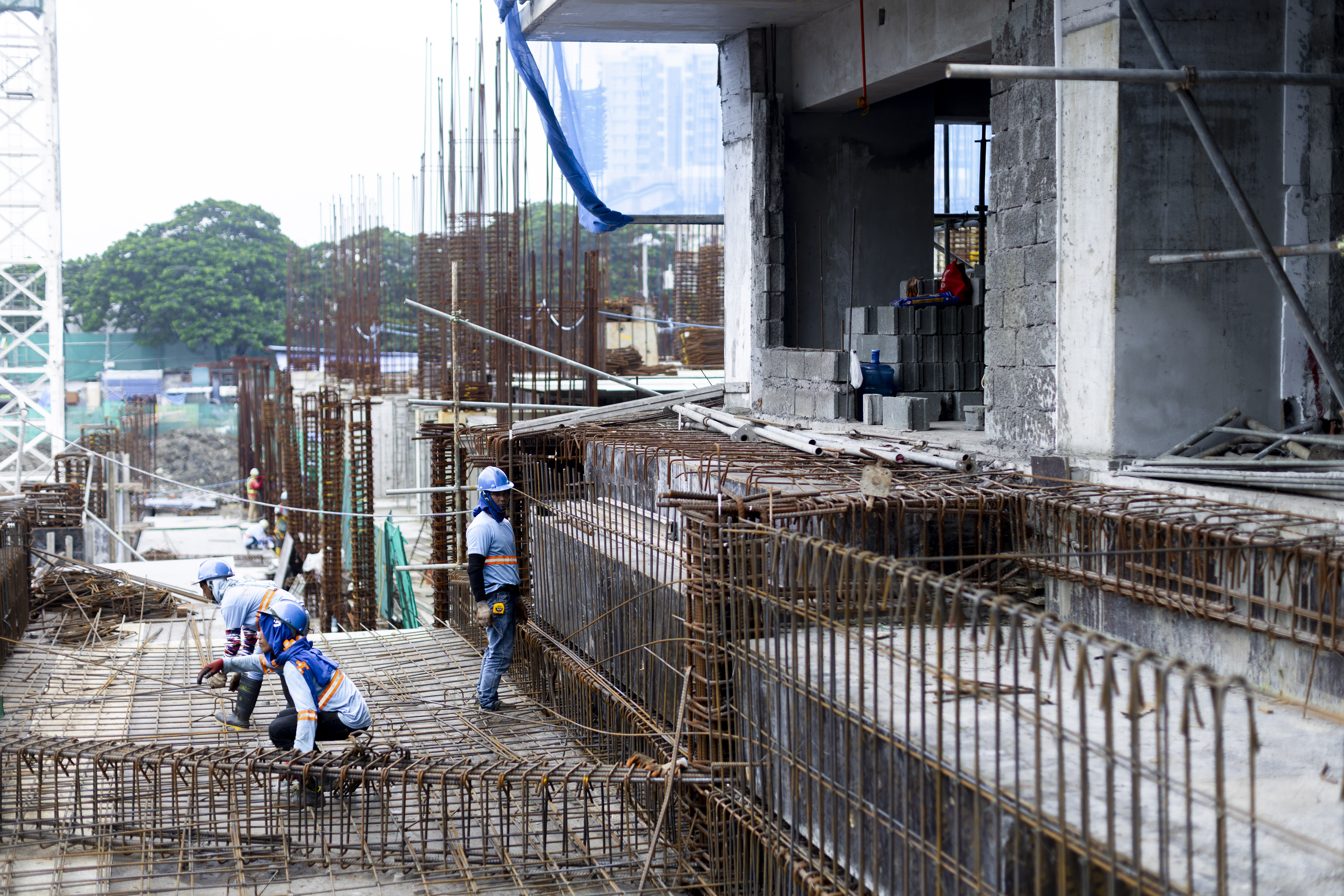
Workers carrying out structural works at a DMCI Homes development.
Banding began as a simple carpenter but showed exceptional curiosity and initiative. “He would talk to the plumber, the electricians, the masons, and ask them questions about what they did,” said Engr. Consunji. “He was naturally curious and a fast learner.” Within eight years, he rose from carpenter to general foreman—a rare achievement in construction.
Despite finishing only the seventh grade, Banding possessed what Engr. Consunji called “native intelligence.” “He could master the plans better than most engineers and measure more accurately; that’s very important in a foreman,” he said.
“That is a rarity, contrary to what lay people might think. If I ask five people to measure ten meters, I am sure they will come up with five different lengths. A difference of a few inches could spell disaster in construction. Precision and accuracy are very important.”
Banding understood every aspect of construction, from carpentry and masonry to plumbing, rebar work, and electrical systems. He could anticipate site challenges and manage hundreds of workers with efficiency.
“Banding was very systematic in his work so that he knew exactly what each of his workers was doing at any given time. Normally, his people would run into hundreds—120 or more-and he knew all their assignments, because he always made sure to check on them regularly. At the end of the day, he knew how many people he had for the day, how many more people he would need, which worker got fired, what they finished, what materials were used and how much.”
His leadership style set him apart. “He led quietly, never raising his voice at any worker,” Engr. Consunji shared. “If a worker was doing something wrong, he would just approach him and teach him how to do it.” His team respected him because he could do everything his subordinates were doing.
“But no matter how strict he was, his workers loved him,” said Engr. Consunji. “On Monday mornings, they would come back from the provinces bringing him gifts from their hometowns.”
Banding’s discipline was unmatched. “He didn’t smoke or drink and spent his nights studying the plans,” said Engr. Consunji. “He wanted his work to be evaluated because he wanted to improve on it. That’s quite rare among foremen, even among engineers.”
He passed on his skills to future leaders like Isio, another extraordinary worker who rose to become a foreman through determination and hard work.
These men—foremen like Cortez, Banding, and Isio, whose discipline, precision, and deep understanding of their craft inspired Engr. Consunji—helped shape his philosophy of construction and contributed to the building of some of the Philippines’ first modern structures and landmarks.
Their leadership and skill laid the foundations of DMCI and helped establish Engr. Consunji’s legacy as the “Grandfather of Philippine Construction Industry.”
How do you feel about it?