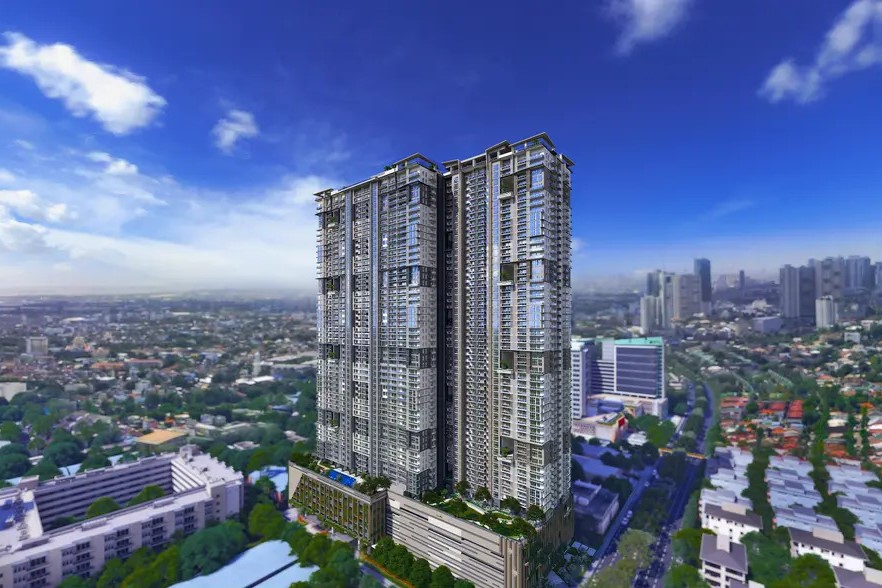
Investing from Abroad: A Practical Property Guide for OFWs

Photo courtesy of africaimages via Envato
For many Filipinos working overseas, buying property in the Philippines is about more than owning a piece of real estate. It can be a way to prepare for the future, create a home for their family, or build an asset they can eventually use when they return.
With ongoing infrastructure developments, expanding transportation networks, and improved connectivity across key urban areas, investing in Philippine real estate presents opportunities for long-term growth. These improvements can make residential communities more accessible and convenient, while potentially supporting property values over time. For OFWs planning to invest, choosing a property in a well-connected and developing location can be a practical step toward securing their future in the Philippines.
Yet investing from abroad comes with its own challenges. Buyers need to understand the property, evaluate its location, manage documentation, and coordinate payments even when they are thousands of kilometers away.
This is where having a trusted developer and a clear buying process can make a difference.
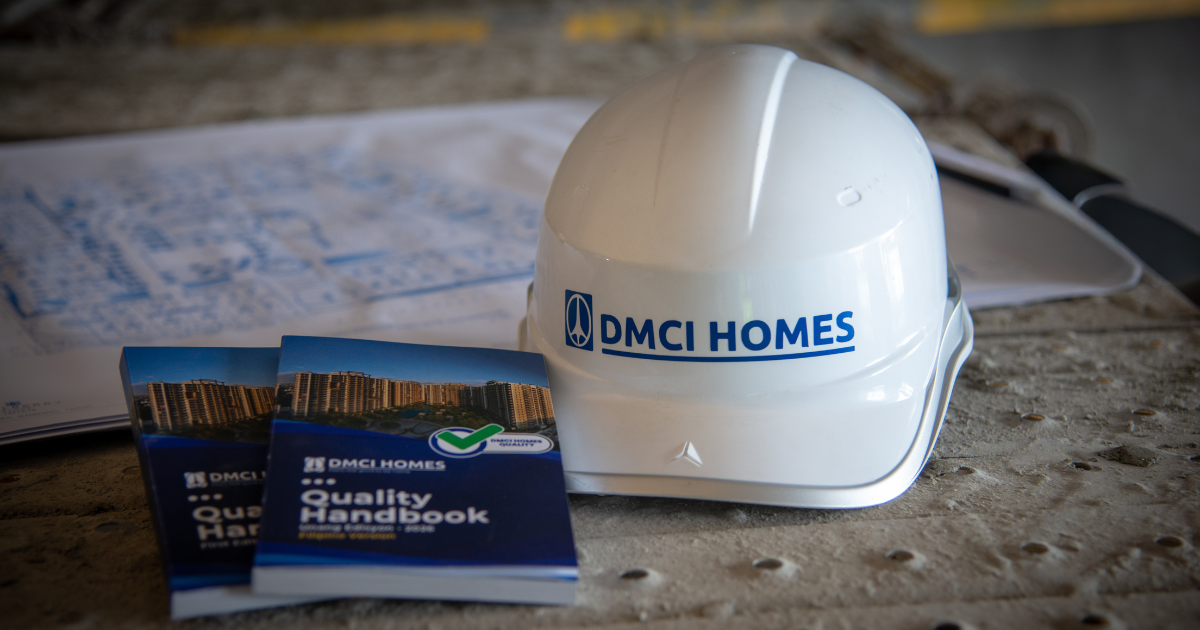
For OFWs and Filipinos living overseas, choosing a trusted developer is an important part of making a property investment. Backed by the construction expertise of D.M. Consunji, Inc., DMCI Homes has built a strong track record in developing quality residential communities across the Philippines. With decades of experience, a commitment to construction quality, and established purchasing processes for international buyers, DMCI Homes offers overseas Filipinos greater confidence when investing in a property back home.
Investing in a Future Back Home
For Filipinos abroad, a Philippine property can represent both a financial and personal investment.
Some buyers may be preparing for their eventual return to the country. Others may want a home for their parents or children, while some may be looking for a property that can potentially serve as a source of rental income.
The right property can fulfill different roles over time. A home near business districts, schools, commercial centers, and transportation infrastructure, for example, can remain relevant to different types of residents as their needs change.
DMCI Homes' portfolio gives buyers access to properties across several established and emerging locations. Its property finder currently features residential developments in areas including Mega Manila, Baguio, Cebu City, Davao, and other locations.
For an overseas buyer, having choices across different locations also means being able to consider a property based on its intended purpose, budget, and long-term plans.
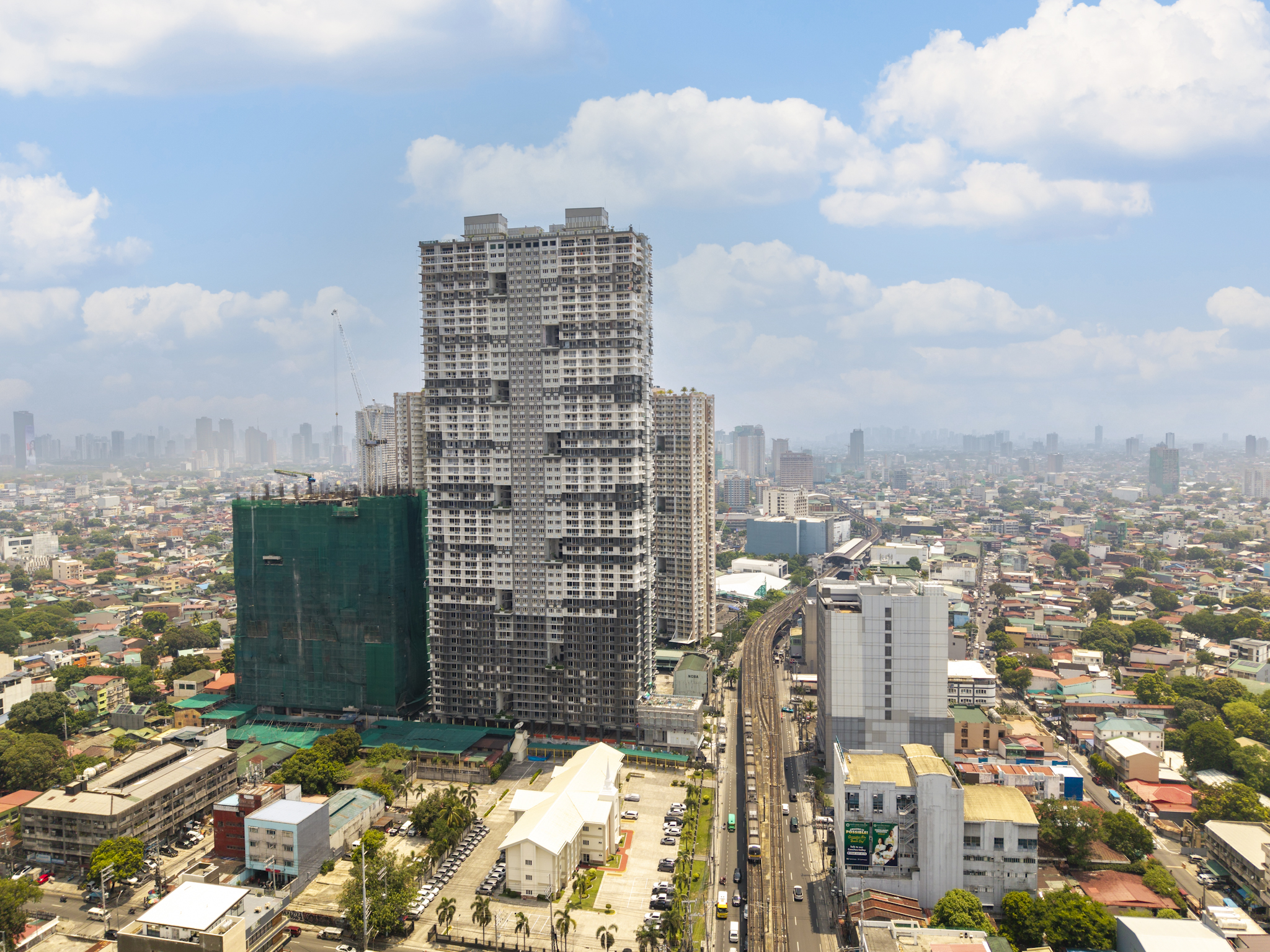
The Oriana, located along Aurora Boulevard, Barangay Marilag, Project 4, Quezon City, near LRT-2 Anonas and Katipunan Stations and the future Anonas Station of the Metro Manila Subway.
A Buying Process Designed for Buyers Abroad
One of the biggest concerns when purchasing property from overseas is how to complete the transaction without being physically present in the Philippines.
DMCI Homes provides documented procedures for international accounts, including requirements for different payment methods. Depending on the transaction, these may include a notarized or consularized Special Power of Attorney (SPA), proof of billing address, identification documents, and other supporting requirements.
An authorized representative may also assist with certain transactions when the principal buyer is abroad. For example, DMCI Homes' turnover guidelines allow an authorized representative to accept a unit on behalf of a buyer, subject to the required SPA and identification documents.
These processes help make property ownership more manageable for buyers who cannot be in the Philippines for every step.
The important part is knowing what is required before making a reservation and working closely with an authorized sales representative throughout the transaction.
For OFWs who want to inquire about available properties or begin the buying process, DMCI Homes can be reached through its official website at www.dmcihomes.com, where buyers can submit an inquiry and connect with a sales representative. Overseas buyers may also email sales@dmcihomes.com or contact the Sales Team at +63 (2) 5324 8888 for assistance with property options, reservation requirements, and purchasing procedures.
For existing buyers who need assistance with their accounts or other property-related concerns, DMCI Homes' Customer Care Team can be reached at customercare@dmcihomes.com. These official communication channels help Filipinos abroad stay informed and coordinate their property transactions even while overseas.
Location Matters When You Are Investing for the Long Term
When buying property from abroad, location deserves particular attention.
An overseas buyer may not be able to regularly visit the property or monitor changes in its surroundings. Looking at the area's accessibility, existing infrastructure, employment centers, schools, commercial establishments, and future development plans can therefore help provide a clearer picture of the property's long-term potential.
Connectivity is particularly relevant in Metro Manila.
DMCI Homes has increasingly positioned developments near major transportation corridors and transit hubs. In 2026, the company highlighted its transit-oriented developments, including The Oriana, The Erin Heights, Infina Towers, The Crestmont, The Calinea Tower, The Valeron Tower, Sage Residences, and Fortis Residences.
Several of these properties are located near existing or planned rail infrastructure. For instance, The Oriana and Infina Towers along Aurora Boulevard have access to the LRT-2 line and are near the future Anonas Subway Station, while The Erin Heights is located near the planned MRT-7 Tandang Sora Station.
For investors, accessibility plays an important role in property value and long-term investment potential. According to Colliers Philippines, house-and-lot developments in areas benefiting from infrastructure expansion recorded annual price growth of 3.6% to 7.2% from 2016 to 2023, while lot-only developments posted stronger annual gains of 6.7% to 15.4%.
These figures highlight the connection between infrastructure development and real estate growth. As transportation networks expand and connectivity improves, properties near major rail lines, expressways, and business districts can benefit from stronger demand, higher property values, and greater leasing potential. For condominium investors, choosing a well-connected location is an important consideration when evaluating long-term investment opportunities.
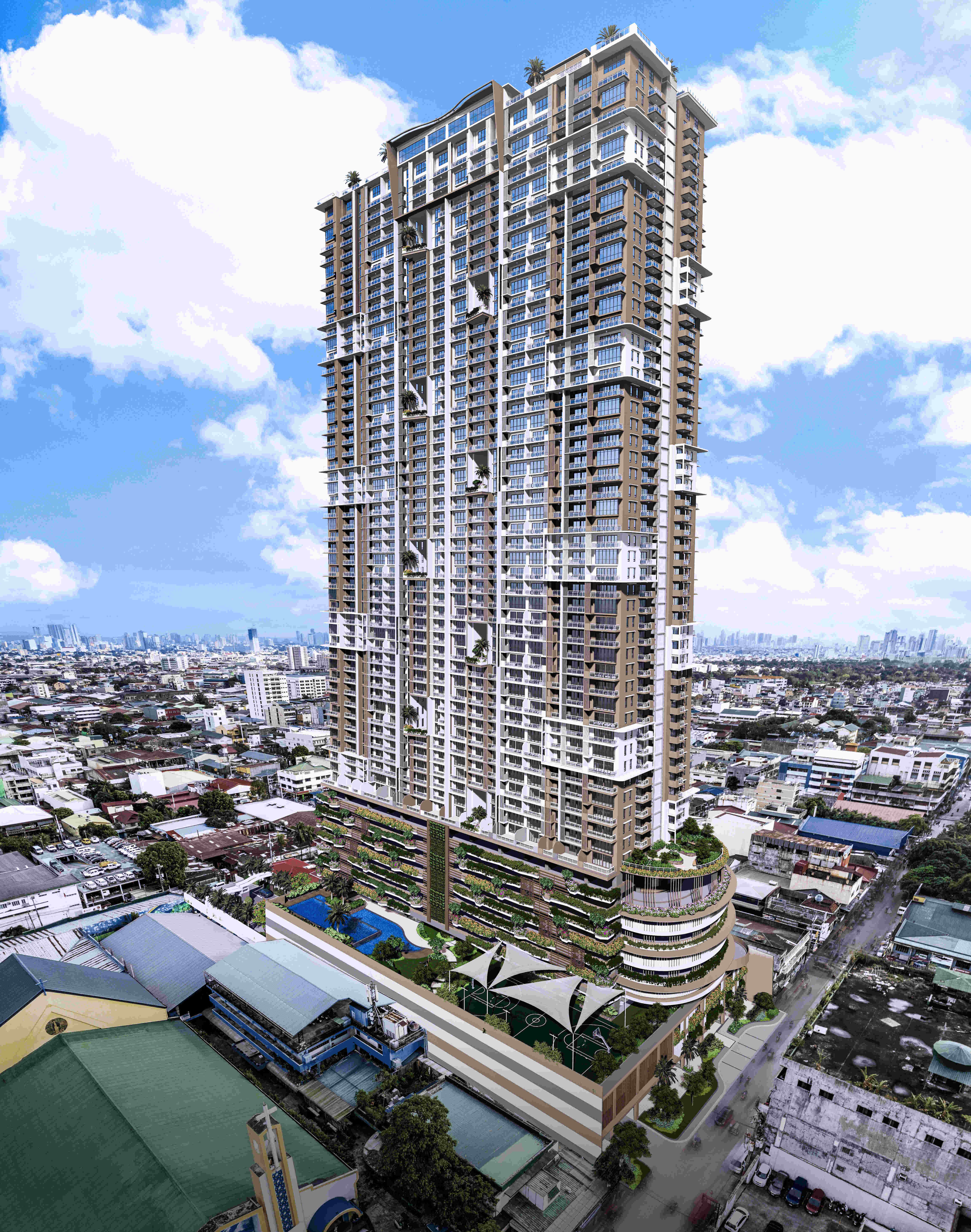
The Calinea Tower, located along M.H. Del Pilar Street, East Grace Park, Caloocan City (Artist's Illustration)
Choosing a Property That Can Adapt to Your Plans
An investment made today may serve a different purpose several years from now.
An OFW may initially purchase a condominium as an investment, then eventually use it as a retirement home. A unit purchased for family members may later become a rental property. A property intended for personal use may also become part of a family's long-term asset portfolio.
This makes flexibility an important consideration.
Buyers can assess factors such as unit configuration, location, surrounding amenities, accessibility, and the property's proximity to areas where people live, work, study, and spend their time.
DMCI Homes offers different unit types and property locations, allowing buyers to explore options according to their needs and budget. Its current portfolio includes studio, one-bedroom, two-bedroom, and three-bedroom configurations across various developments.
For OFWs and Filipinos living abroad, virtual property tours provide an added layer of convenience. Available on the individual property pages of the official DMCI Homes website at www.dmcihomes.com, these tours allow prospective buyers to explore properties, view unit layouts, and get a better feel for the living spaces and amenities without visiting in person. This makes it easier to compare options and make more informed investment decisions, even while overseas.
Building Confidence Across Borders
Trust becomes particularly important when the buyer and property are in different countries.
For an overseas Filipino, confidence can come from knowing who they are dealing with, understanding the steps involved, and having access to official information throughout the buying process.
DMCI Homes provides a buyer's guide outlining documentary requirements, payment procedures, financing options, turnover requirements, and title transfer processes. International accounts are specifically addressed in the guide, including requirements that may apply when a buyer is represented through a Special Power of Attorney (SPA).
Beyond these resources, DMCI Homes' in-house team of Property Advisors is ready to assist overseas buyers every step of the way, from exploring available properties and selecting a suitable unit to understanding reservation requirements and navigating the purchasing process. Buyers can connect with the team through the company's official communication channels, making it easier to receive reliable information and guidance even while abroad.
Prospective buyers can also explore available developments through the official DMCI Homes property finder and coordinate directly with the Property Advisors for personalized assistance.
For a purchase that may represent years of overseas work and savings, having a clear process and a dedicated team to guide buyers can make the experience more manageable and reassuring.
A Philippine Property for the Future
For many OFWs, investing in Philippine real estate is ultimately about creating something that extends beyond their years abroad.
It can mean having a place to return to, securing a home for family, or building an asset that may remain useful for years to come.
The investment decision still requires careful consideration. Buyers should evaluate their financial capacity, intended use of the property, location, payment terms, and other costs before making a purchase.
For those looking to invest from overseas, DMCI Homes provides a portfolio of properties in strategically located communities, established buying procedures for international accounts, and sales support that can help guide buyers through the process.
Because building a future in the Philippines does not necessarily have to begin with coming home first. For many Filipinos abroad, it can begin with making a well-informed investment today.
How do you feel about it?